
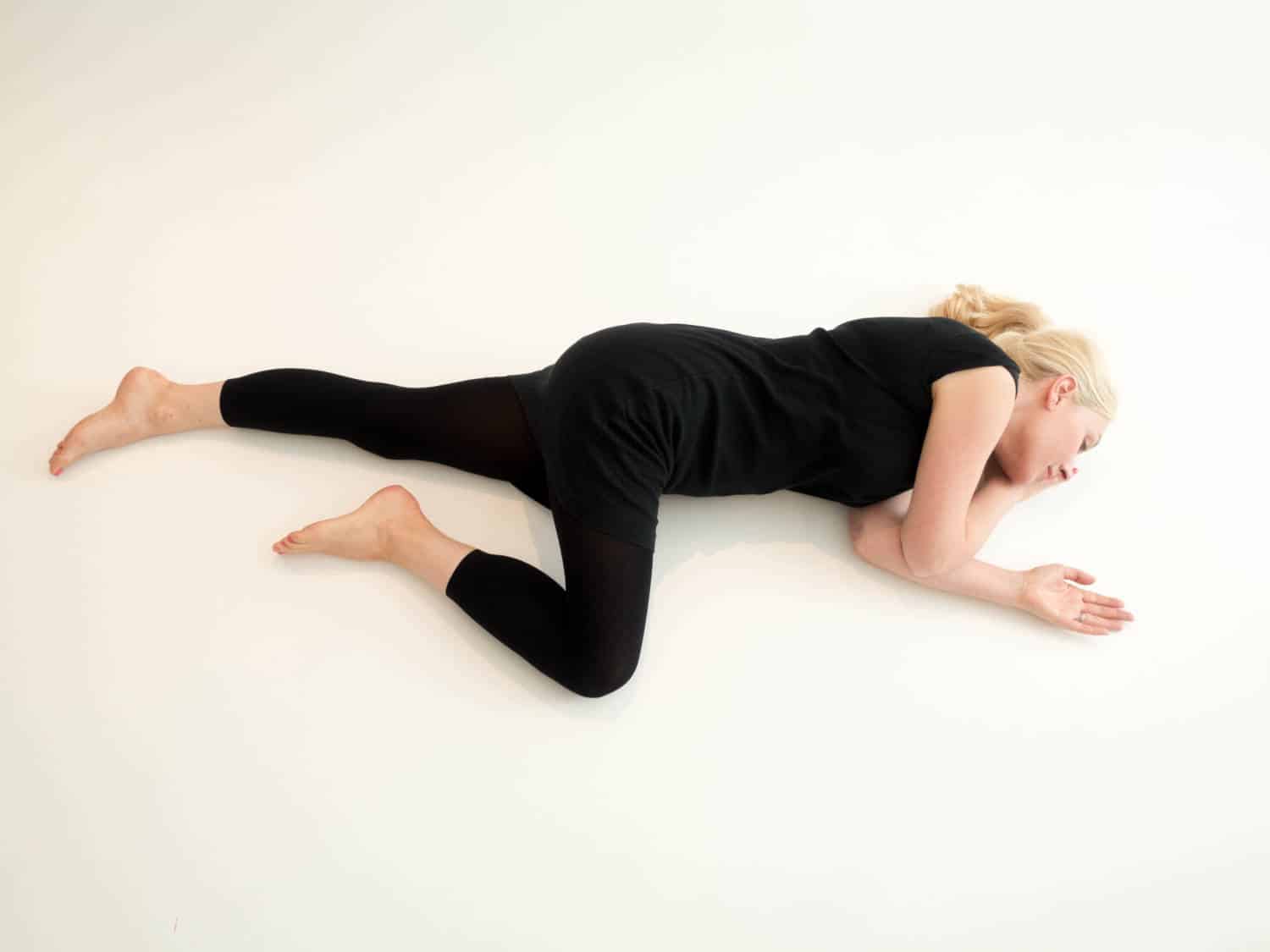
Why is the recovery postion so important when someone is unconscious? Putting someone in the recovery position ensures that their airway is clear and open. Additionally it means that they will not choke on fluid or vomit in their mouth.
When you become unconscious or unresponsive, most of your muscles relax and become floppy. For example, your tongue, which is a huge muscle attached to your bottom jaw, if you are unconscious and lying on your back, your tongue will flop back and block your airway and you won’t be able to breathe. In addition, your oesophagus (the tube from your throat to your stomach) and the sphincter (the valve) at the top of your stomach relaxes and remains open, allowing the contents of your stomach to trickle up and potentially drip into your lungs. This is known as passive vomiting and is extremely dangerous to the casualty. Therefore, this is why it is vitally important you ensure you protect the casualty’s airway.
If you suspect their unconsciousness may be due to a blow to the head, it’s important to know the warning signs of serious head injury and when to seek urgent help.
How to open someone’s airway

Tilt the head and lift the chin. Try this yourself and you will find if your head is all the way back and you push your chin forward, consequently you are unable to swallow.
By tilting their head and lifting their chin you are lifting their tongue from the back of their throat. However, never try and pull someone’s tongue or put your fingers down to clear their airway. This is dangerous and could cause serious harm.
To clear their airway, put one hand on their head and the other under their chin and tilt their head back, lifting their chin upwards. This will effectively lift their tongue away from the back of their throat so that their airway clears.
Just after their heart ‘stops’, a casualty may appear to be breathing when they are not. These breaths are called “agonal gasps” and are a reflex action from the lungs. Agonal gasps are not effective breathing. If there are fewer than 2 breaths during a 10 second period, the person is not breathing sufficiently and you will need to start CPR.
If you’d like structured, step-by-step video training, our CPR, AED, recovery position and choking online course will walk you through exactly what to do in a real emergency.
Hold the airway open and look. Listen and feel to check they are breathing. You need at least 2 breaths in a 10 second period to be sure that they are breathing normally.
If they are not breathing commence CPR.
The Recovery Position:
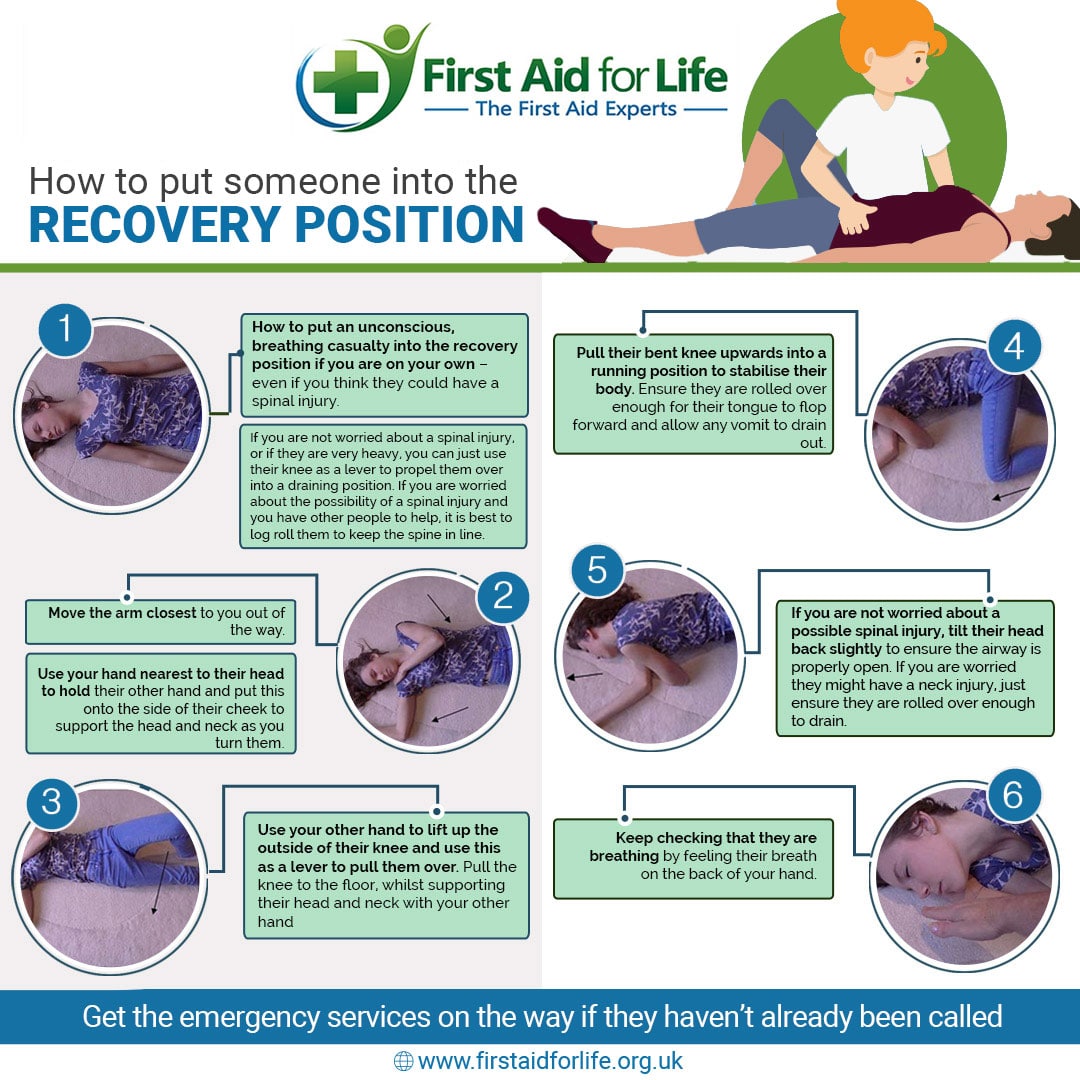
If the casualty is unresponsive and breathing normally, put them in the recovery position. The recovery position is when someone is rolled onto their side allowing gravity to help their tongue flop forward and the contents of the stomach to drain out. Subsequently, this will keep the airway clear and allow the casualty to keep breathing.
The casualty should ideally not be on their front as this puts the weight of their body on their lungs. Making it harder for them to breathe. Therefore, with an adult or child, the knee is bent up at 90º, in a running position, which helps to support them remaining on their side. If the person has collapsed on their front and you are worried about a spinal injury, if you are sure they are breathing and their airway is not compromised, leave them as they are.
Additionally, when you have ruled out a possible spinal injury, once on their side, tilt the head back slightly to further open the airway to allow saliva and vomit to drain freely.
For a photo-guided, step-by-step breakdown, our detailed guide to putting someone into the recovery position shows each movement clearly.
About us
First Aid for Life provide award-winning first aid training tailored to your needs. Please visit our site and learn more about our practical and online courses. It is vital to keep your skills current and refreshed. We are currently providing essential training for individuals and groups across the UK. In addition, we have a great range of online courses. These are ideal as refreshers for regulated qualifications or as Appointed Person qualifications.
You can attend a fully regulated Practical or Online First Aid course to understand what to do in a medical emergency. Please visit https://firstaidforlife.org.uk or call 0208 675 4036 for more information about our courses.
First Aid for Life is a multi-award-winning, fully regulated first aid training provider. Our trainers are highly experienced medical, health and emergency services professionals who will tailor the training to your needs. Courses for groups or individuals at our venue or yours.
First Aid for life provides this information for guidance and it is not in any way a substitute for medical advice. We are not responsible or liable for any diagnosis made, or actions taken on this information.


0 Comments