
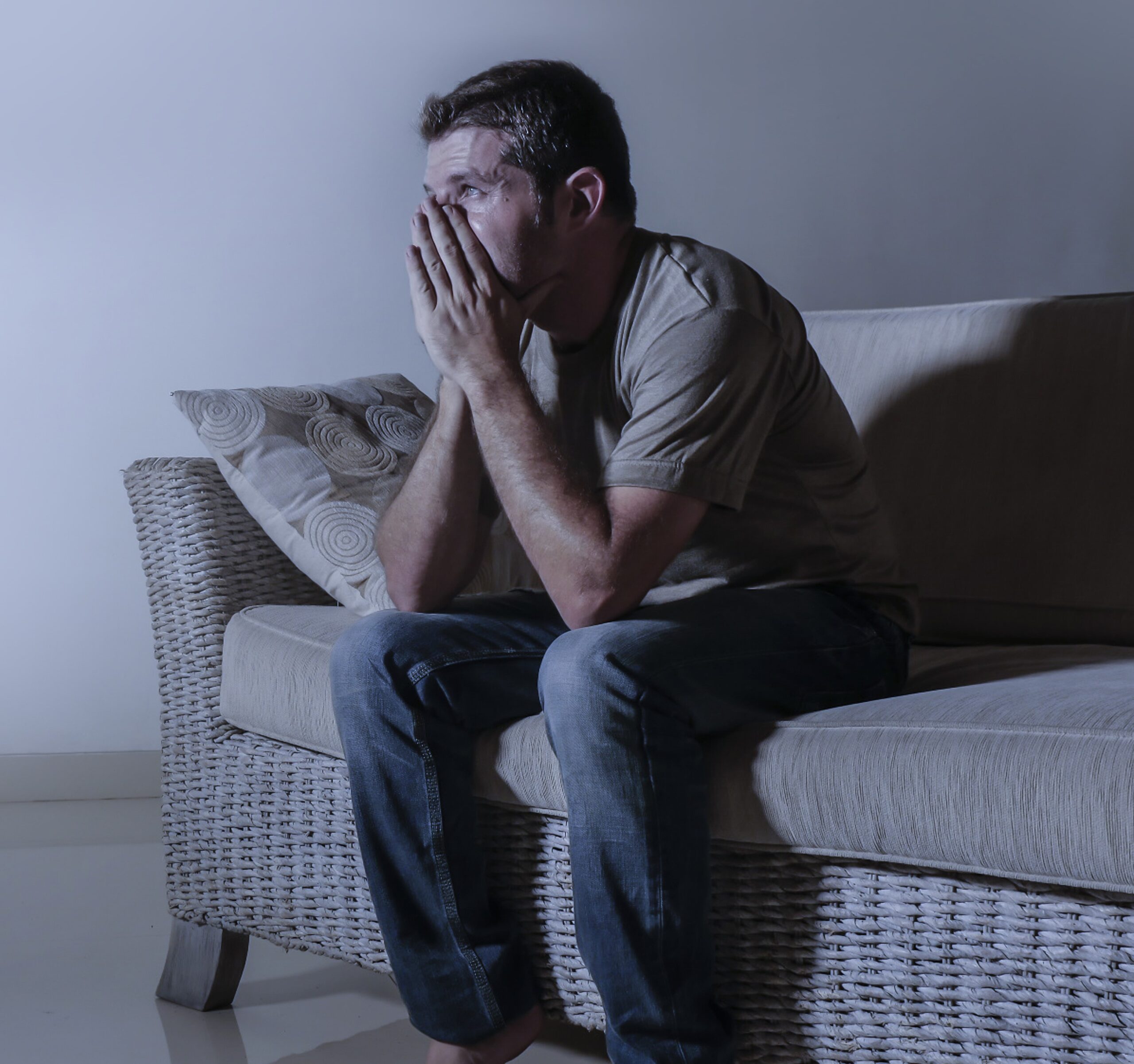
Anyone can experience Post Traumatic Stress Disorder from something distressing that they have seen, experienced or that has happened to someone close to them.
Around 1 in 10 people in the UK are expected to experience PTSD in their lives and with the stigma surrounding PTSD and mental health, may will not get the help they need.
Women aged 16-24 are most likely to screen positive for PTSD however in the 55-64 category, PTSD was more common in men.
It is perfectly normal to feel any of the following after a traumatic event:
- Elation/an adrenaline buzz
- Anger
- Confusion
- Flashbacks and bad dreams
- Depression
What is PTSD?
Post-Traumatic Stress Disorder (PTSD) is a mental health condition that develops for some people after a experiencing or witnessing a traumatic event.
There are different types and levels of PTSD that depend on the symptoms you have.
The effects of PTSD can last long after the event and symptoms may not even appear for 6 months.
Symptoms of PTSD
Generally, it is advised to encourage professional help if a person is experiencing the following symptoms four or more weeks after a trauma.
Symptoms that could indicate someone may be developing PTSD, if they are still apparent weeks after the event:
- They remain very upset or fearful
- Continue to experience intense, ongoing feelings of distress.
- Begin to withdraw from family or friends and avoid social situations.
- Have ongoing trauma-related nightmares and feel jumpy or on edge.
- Continually obsessing about the trauma.
- Have lost their enjoyment in life.
- Have intrusive thoughts, feelings or sensations that are interfering with usual activities.
If you are unsure if you or a loved one is experiencing PTSD or are worried about their welfare, talk to a health professional.
How to cope with flashbacks
Flashbacks can be very distressing, but there are things you can do that might help. MIND offer the following tips:
- Focus on your breathing. When you are frightened, you might stop breathing normally. This increases feelings of fear and panic, so it can help to concentrate on breathing slowly in and out while counting to five.
- Carry an object that reminds you of the present. Some people find it helpful to touch or look at a particular object during a flashback. This might be something you decide to carry in your pocket or bag, or something that you have with you anyway, such as a keyring or a piece of jewellery.
- Tell yourself that you are safe. It may help to tell yourself that the trauma is over and you are safe now. It can be hard to think in this way during a flashback, so it could help to write down or record some useful phrases at a time when you’re feeling better.
- Comfort yourself. For example, you could curl up in a blanket, cuddle a pet, listen to soothing music or watch a favourite film.
- Keep a diary. Making a note of what happens when you have a flashback could help you spot patterns in what triggers these experiences for you. You might also learn to notice early signs that they are beginning to happen.
- Try grounding techniques. Grounding techniques can keep you connected to the present and also help you cope with flashbacks or intrusive thoughts. For example, you could describe your surroundings out loud or count objects of a particular type or colour.
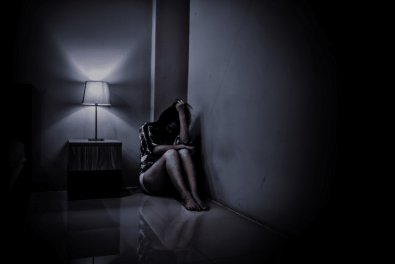
What triggers flashbacks?
Some people find certain experiences, situations or people seem to trigger flashbacks or other symptoms of PTSD.
These might include specific reminders of past trauma, such as smells, sounds, words, places or particular types of books, films or gaming. Some dates or anniversaries may be particularly difficult for people as well.
What to do following trauma?
Speak when you are ready to, for some people telling everyone is helpful, whereas others may need a long time before they are ready to share their experience.
Most people’s discomfort or upsetting thoughts will naturally improve over the course of a few weeks after the event. However, you should go and see your GP if you are still experiencing issues after around 4 weeks, or your symptoms are severe.
Be kind to yourself and understand that your mind will take time to heal too.
Helpful advice and support for PTSD
Assist Trauma Care – charity that specialises in PTSD
Combat Stress – provides treatment and support for British Armed Forces Veterans
Rape Crisis – feminist charity working to end sexual violence
Disaster Action – provides information and support for people affected by major disasters
Victim Support – providing support and information for victims and witnesses of crime.
About us
First Aid for Life provide award-winning first aid training tailored to your needs. Please visit our site and learn more about our practical and online courses. It is vital to keep your skills current and refreshed. We are currently providing essential training for individuals and groups across the UK. In addition, we have a great range of online courses. These are ideal as refreshers for regulated qualifications or as Appointed Person qualifications.
You can attend a fully regulated Practical or Online First Aid course to understand what to do in a medical emergency. Please visit https://firstaidforlife.org.uk or call 0208 675 4036 for more information about our courses.
First Aid for Life is a multi-award-winning, fully regulated first aid training provider. Our trainers are highly experienced medical, health and emergency services professionals who will tailor the training to your needs. Also, we offer courses for groups or individuals at our venue or yours.
First Aid for life provides this information for guidance and it is not in any way a substitute for medical advice. We are not responsible or liable for any diagnosis made, or actions taken on this information.



0 Comments