

If you are an older person, having a fall can have a devastating and lasting impact on your quality of life.
Sadly, falls are a common occurrence amongst old people. Figures show that there are 255,000 falls-related emergency hospital admissions in England per year among people aged over 65.
Research done by Perfect Alert ( looking at 30,000 fall triggers amongst wearers of Perfect) showed that while half of all users trigger a fall less than once per month, 8.8% trigger a weekly alert and a shocking 2.7% have a daily trigger. You can see their full blog here.
Falls not inevitable
Falls are the leading cause of accidental death in older people. However, falls are not an inevitable part of ageing and in many cases are totally avoidable.
Loss of confidence following falls
While the primary concern often involves the physical consequences, the impact on an individual’s confidence is also significant and should not be underestimated. In the longer term, falls can lead to loneliness, isolation and a loss of independence.
Future mobility affected by falls
Falls are a major cause of older people needing to be admitted to hospital and it can have a major impact on their confidence and future mobility. Older people frequently fracture their hips due a fall and this may result in them losing their independence and needing to be cared for.
Serious injury caused by falls
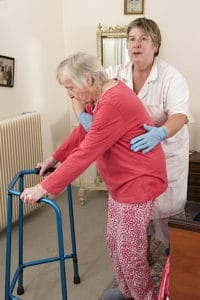
Older people can suffer serious injuries from falls that might generally be superficial in a younger person. They may not respond to a medical emergency in the usual way and can deteriorate extremely quickly. It is important to recognise and understand that the physiology in older people is different and that medication may affect this too.
Increased confusion can cause falls
If someone gets muddled and confused, they can be at greater risk of injuring themselves.
Home hazards are frequently a cause of accidents; loose stair carpets, rugs, poorly-fitting footwear and slippers.
Poor eyesight and falls
Most older people’s eyesight gets weaker and they can struggle, particularly in low light; failing to see the top step of the stairs or tripping over things left in hazardous places. As people get older it can be helpful to have a distinct change of colour to highlight the step at the top of the stairs or other potential hazards.
Medication and falls
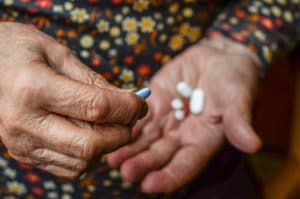
Medication to reduce high blood pressure can result in dizziness from getting up too quickly. This can lead to wobbling and potentially to collapse. Anyone on blood pressure reducing tablets should be encouraged to get up very slowly, while holding onto something. Beta blockers often cause light-headedness and dizziness making people more susceptible to falling.
Brittle bones
Falls from less than 2 metres, which would not generally cause serious injury for younger people, represent a leading cause of major trauma for people over the age of 70. An older skeleton is more brittle and it is consequently far more likely that an older person will break a bone when they fall.
Medical conditions and falls
Medical conditions can also make falls more likely:
Arthritis and similar conditions can weaken and stiffen muscles.
Heart conditions or changes in blood pressure can cause people to feel dizzy when getting up too quickly.
Parkinson’s disease can cause tremors and make people less stable.
Hearing problems can affect balance.
Side effects of some medications cause dizziness or drowsiness and make you less aware of your surroundings.
Effects of alcohol and falls
Additionally, we are less able to metabolise alcohol as we get older, thus it can have a greater potency.
Bladder control
Urgency for the loo can make it more likely for someone to fall and slip following an episode of incontinence. If they are desperate to go to the toilet they may rush, resulting in them falling, and if they have not made it in time they may end up slipping on a wet floor. If this is an issue, there are things GPs can do to help.
Prevention of falls
There are some practical precautions you can take to prevent falls happening in the first place:
Items should not be left on the stairs as it is too easy to trip over them
Replace damaged carpet and avoid repetitive carpet patterns that can affect perception and make it more difficult to see individual stairs.
Ensure landings, stairs and hallways are well lit with two-way light switches
Ensure banisters are secure and sturdy, two easy-grip handrails give more stability
General help and advice to prevent injuries:
As we age, we are more likely to lose our balance due to sudden movements, such as getting out of bed or a chair too quickly. This is especially noticeable if you are taking medication for high blood pressure. To reduce the dizzy effects of postural hypotension, try getting up very slowly and lifting your head last.
Floors and surfaces should be as clear as possible as worn rugs, slippery floors and paths, uneven surfaces, trailing flexes, and items left lying around make falling far more likely.
Pay more attention to footwear – ill-fitting shoes that have lost their grip, or old slippers often precipitate a fall.
Grab rails and places to sit down in the bathroom and kitchen can be really helpful if suddenly feeling dizzy.
Floors should be cleaned carefully to ensure that they are not slippery and any spillages immediately and thoroughly removed.
Here’s What To Do If You Have Had A Fall

Stay as calm as possible. Avoid rushing to get up; instead, take your time to determine if you are injured. Lie still and carefully check for pain or bleeding by moving each limb systematically.
If you feel able to get yourself up, do this slowly.
Roll onto your side. If you feel able to get yourself up, do this slowly.
Hold onto this with both hands and use it to help get yourself up.
Take time to rest and contact someone to let them know what has happened.
Have a medical professional check any grazes or cuts, especially on the shins, to ensure they are properly assessed, cleaned, and dressed to prevent leg ulcers.
If you’re hurt or unable to get up do this to try and get help
Try to get someone’s attention by calling for help.
Use your mobile phone if you have one to hand.
Bang on the wall or floor to alert neighbours.
Press your emergency aid call button if you have one.
Try and crawl to your telephone and call someone local or dial 999 to call an ambulance.
Do not exhaust yourself trying to get help.
Remain calm and if possible, cover yourself with something warm, such as a rug or coat. Wrap yourself up as well as you can and get as comfortable as possible.
Shift your body weight frequently to prevent pressure sores.
First Aid for Life include falls and injuries resulting from falls on all our relevant courses. We specialise in first aid training for carers, families and older people, as well as businesses, schools and nurseries. Our trainers are highly experienced medical, health and emergency services professionals who will tailor the training to your needs.
It is strongly advised that you attend a practical first aid course to understand what to do in a medical emergency. First Aid for Life provides this information for guidance and it is not in any way a substitute for medical advice. First Aid for Life is not responsible or liable for any diagnosis made, or actions taken based on this information.


0 Comments