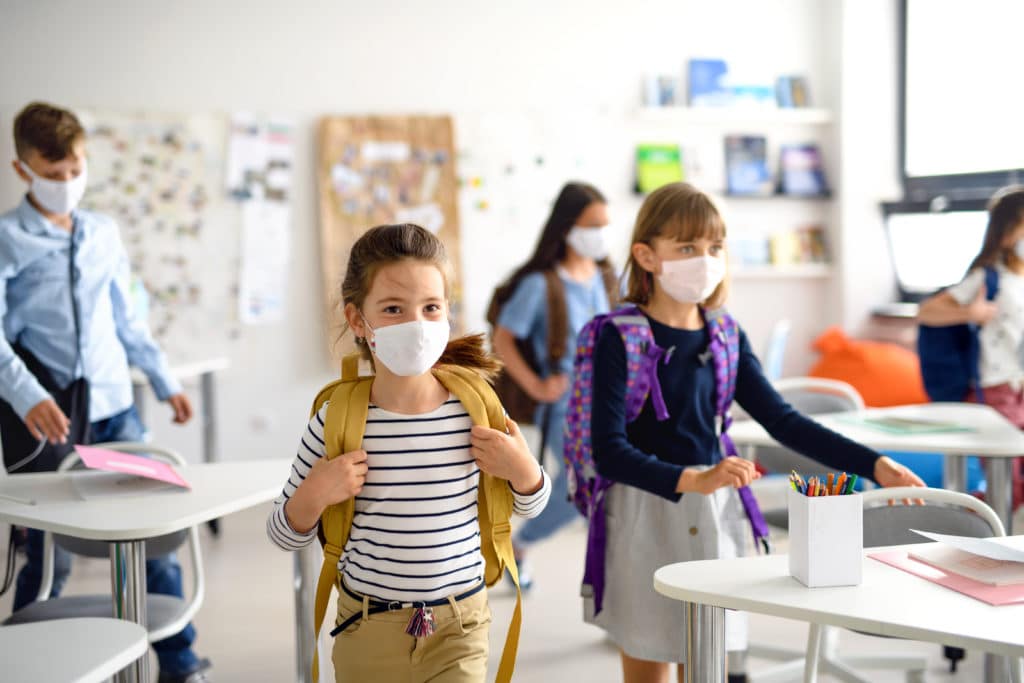
Schools are now open for autumn term which is great news for children’s education and families navigating a ‘new normal’. However, this comes with understandable concern regarding the spread of Covid-19 which hasn’t gone away. It is important that parents and teachers are aware of all the coronavirus symptoms that children might present which may differ from the infection in adults. In this article, we share the most common covid-19 symptoms to look out for in children. This can then help you make the right decision when it comes to sending your children back into the classroom.
Coronavirus Symptom Studies
According to research from the COVID Symptom Study app over half (52%) of children school aged children (those under the age of 18) who tested positive for COVID weren’t experiencing any ‘adult’ classic symptoms (cough, fever, anosmia) in the week before and after the test. In addition, a third (33%) of children who tested positive for COVID never indicated any of the 20 symptoms listed in the App suggesting that a large proportion of children are asymptomatic.
The COVID Symptom Study App is managed by health science company ZOE. Research using data from the app is by academics at King’s College London. The findings are based on the data from 198 children with positive tests and roughly 15,800 negative tests, making it currently one of the largest studies of COVID positive children in the UK.
What are the different Covid-19 symptoms in children and adults?
The research highlighted that children display a different range of symptoms compared to the overall adult population. The top five symptoms in school aged children who test positive for COVID are;
- fatigue (55%)
- headache (53%)
- fever (49%)
- sore throat (38%)
- loss of appetite (35%)
In addition to this, research from the app has also found that one in six (15%) children who test positive for COVID also present with an unusual skin rash.
This was different compared to the App’s data on adults which includes;
- fatigue (87%)
- headache (72%)
- loss of smell (60%)
- persistent cough (54%)
- sore throat (49%)
What do I do if my child has symptoms?
If your child has any of the main symptoms of coronavirus:
- Get a test to check if they have coronavirus as soon as possible.
- Stay at home and do not have visitors until you get the test result – only leave your home to have a test.
- Anyone you live with, and anyone in your support bubble, must also stay at home until you get the result.
How can early detection of Covid-19 in Schools help?
Tim Spector, Professor of Genetic Epidemiology at King’s College London:
“Getting children back to school and keeping them in school is a priority, so it is essential that we understand how COVID-19 affects children and highlight the potential differences. Knowing that children present less often with respiratory symptoms and are more likely to be suffering from headaches, fatigue and skin rashes, will help parents make the right decisions to keep them at home until they feel better. This is a stressful time for all and if as many parents log for their children as possible we will have a much clearer picture of COVID within local schools across the UK allowing us to keep schools open and children learning!”
There are a number of challenges in order for children to return to school safely. Emma provides an overview of the latest guidance on infection control, personal protective equipment and CPR for educational settings for the British Journal of Child Health. Click here to read the article in full.
We can help
It is vitally important to teachers and staff members at school have First Aid training so that they can recognise these signs and many more and act quickly in emergencies to ensure the safety of all children. It is important that people understand how to make necessary adjustments and take precautions when giving first aid to someone who may have Covid-19.
First Aid for Life is a training business operating to the very highest standards. We are rigorous about implementing all recommended measures to keep you safe whilst learning first aid during Covid-19.
The Government announcement concerning a maximum group size of 6 people, relates to social situations. This does not apply to training businesses operating in a Covid-19 secure manner and adhering to all the recommended guidance.
At First aid for Life, we care deeply about your safety. Our team of highly experienced medical, health and emergency services professionals understand the importance of infection control and social distancing. We adhere to all the latest guidance to ensure that you can safely attend our training. We understand your concerns learning first aid during the Covid-19 pandemic and are doing everything possible to ensure your peace of mind.

About us
First Aid for Life provide award-winning first aid training tailored to your needs – Please visit our site and learn more about our practical and online courses. It is vital to keep your skills current and refreshed. We are currently providing essential training for individuals and groups across the UK. In addition, we have a great range of online courses. These are ideal as refreshers for regulated qualifications or as Appointed Person qualifications.
You can attend a fully regulated Practical or Online First Aid course to understand what to do in a medical emergency. Please visit https://firstaidforlife.org.uk or call 0208 675 4036 for more information about our courses.
First Aid for Life is a multi-award-winning, fully regulated first aid training provider. Our trainers are highly experienced medical, health and emergency services professionals who will tailor the training to your needs. Courses for groups or individuals at our venue or yours.
First Aid for life provides this information for guidance and it is not in any way a substitute for medical advice. First Aid for Life is not responsible or liable for any diagnosis made, or actions taken on this information.



0 Comments