
Blister Prevention and Treatment for All Runners and Sport Lovers
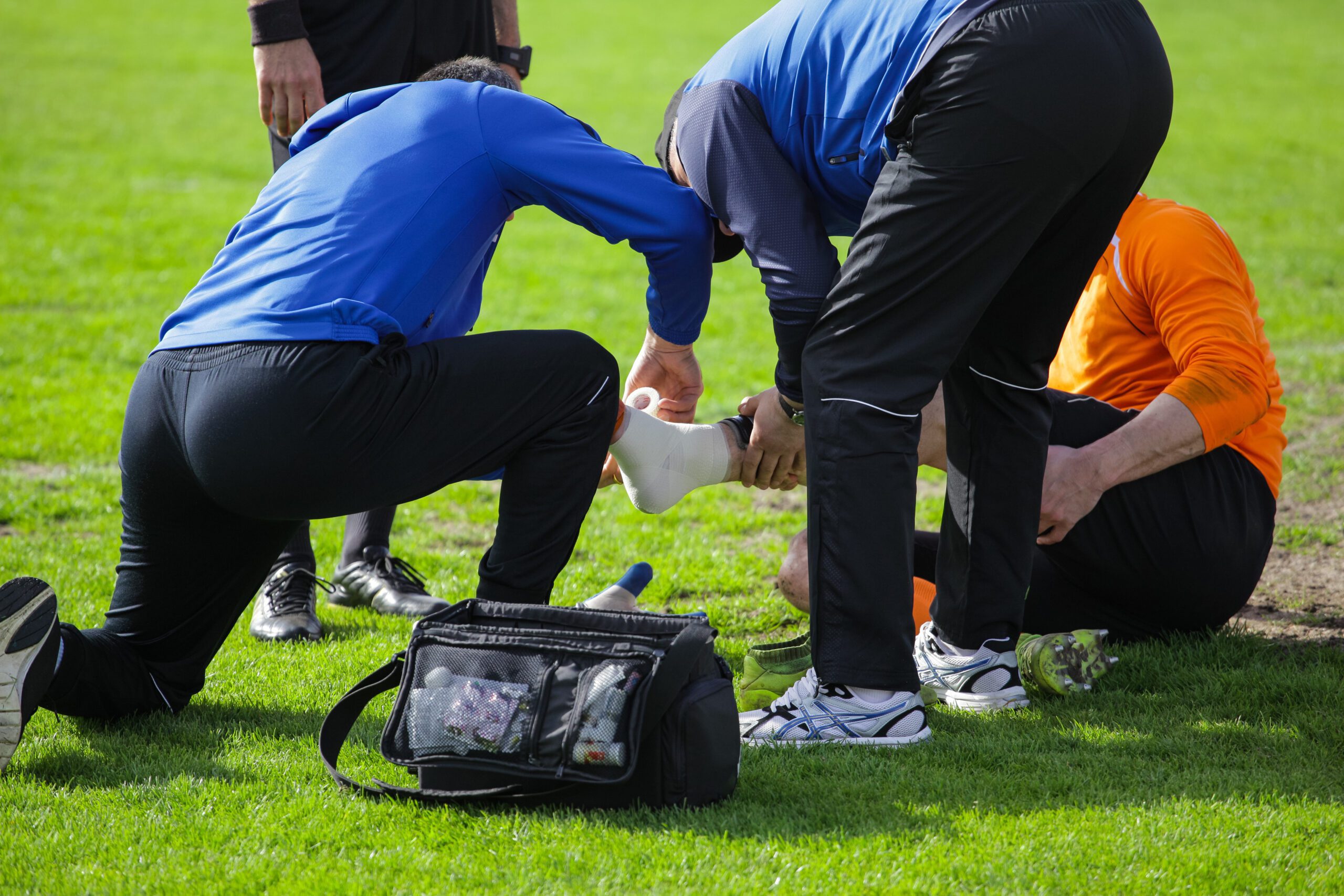
Blister prevention and treatment:
Blisters can be painful and lead to infections. Therefore it is really important to understand the best way to prevent and treat them. If you get a blister and the skin is still intact, do not pop it. Cover with a proper blister plaster and ensure there are no wrinkles in socks that are contributing to the rubbing.
If the blister is broken or likely to break; cover with a clean, dry, non-adhesive dressing that extends well beyond the edges of the blister. Alternatively apply a blister plaster.
To avoid blisters, ensure you are wearing shoes that are worn in and comfortable. If you need any plasters or help during the race, stop at one of the many first aid points – they should have plasters available.
Thanks to AXA PPP for this short animation for tips and tricks on how to prevent and treat blisters.
Footwear:
Avoid lengthy runs or exercise in new trainers as otherwise you may well suffer blisters. Wear them in at home first – your feet must be comfortable and familiar with the shoes. Also make sure that the socks you choose are comfortable and fit well. In case there is rain forecast or roads are wet if you are running, ensure your shoes have sufficient grip.
If you are walking to an exercise class or the gym in your trainers, ensure they are not wet and slippery when you start the class.
Wear suitable clothing, both for your chosen exercise and for the weather:
UK weather can be temperamental. If exercising outside, ensure you have appropriate layers for all eventualities.
Dress for comfort, temperature, and prevention of friction injuries (such as chafing).
Ensure you have appropriate, comfortable clothing for whatever exercise you have opted for. If unsure as to what you need, check with the class organiser, your personal trainer, or look online for advice from an overseeing organisation.
Remember, whilst you’re running or exercising, you’ll be warm. However, as soon as you stop, you’ll cool down quickly. Ensure you have additional clothes to put on for when you finish.
Read our blog post on First Aid for Life for 9 top tips for marathon runners.



0 Comments