


How to Treat a Fever – Top Tips
It is extremely common for someone who is ill to develop a fever. What is a fever? A part of the brain known as the hypothalamus controls body temperature. This usually varies very slightly throughout the day from the normal temperature of 37C (anything...
How to Help Whilst Waiting for an Ambulance
If you are first on the scene and find someone who has collapsed or had an accident, what you do in those first minutes is critical. Ambulances aim to get to a life-threatening emergency within eight minutes. However, in the current climate, this is just not happening...
Keeping You Safe and Out of Hospital this Christmas
The one place you don’t want to end up at Christmas, is the Accident and Emergency Department! Christmas is a peak time for increased stress and accidents, for both humans and pets. According to RoSPA more than 80,000 people go to A&E each year for...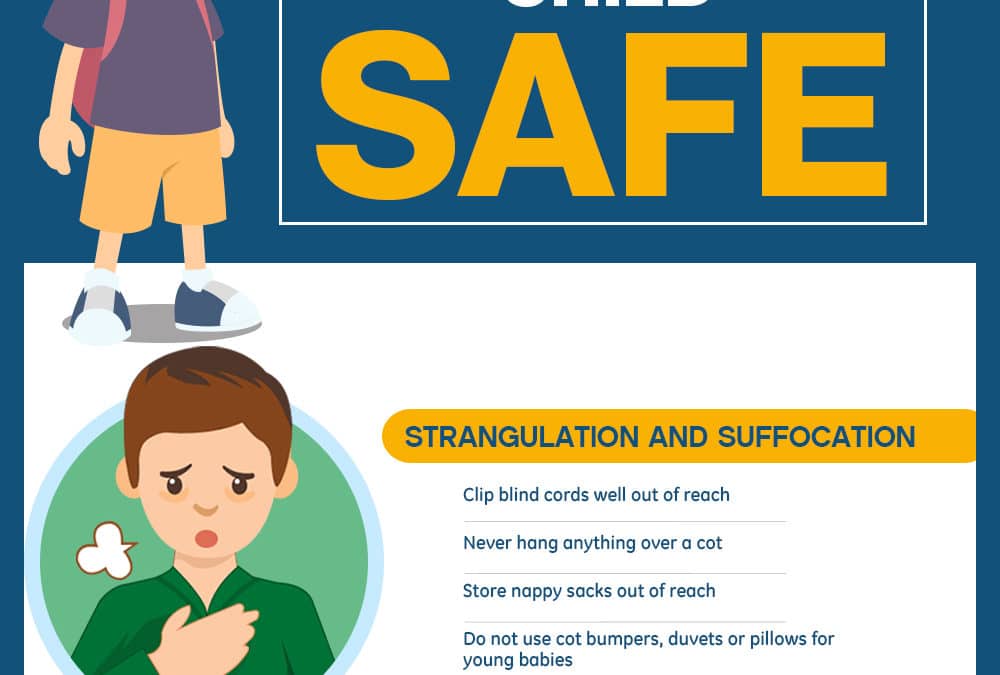
Preventing Strangulation and Suffocation for Babies
Suffocation and strangulation (along with choking and drowning) account for the majority of accidents resulting in fatalities in the under 5s. For strangulation, the most common causes are blind cords, drawstring bags, necklaces, cot bumpers and clothing becoming...
10 Common Myths About Defibrillators and Why They Save Lives
Defibrillators dramatically improve a casualty’s chance of survival and are now widely available for the general public to use. However, we need far more in the community and work places to be able to have the major improvements on survival from cardiac arrest that is...As featured on:

Voted number one Feedspot best blogs
 Never miss out on vital updates –
 Certified Member of:

Onlinefirstaid.com trades as
First Aid Online Ltd.
First Aid Online Ltd.

74 Ramsden Rd
London SW12 8QZ
020 8675 4036
$-$$
Follow Us!



Award winning: