

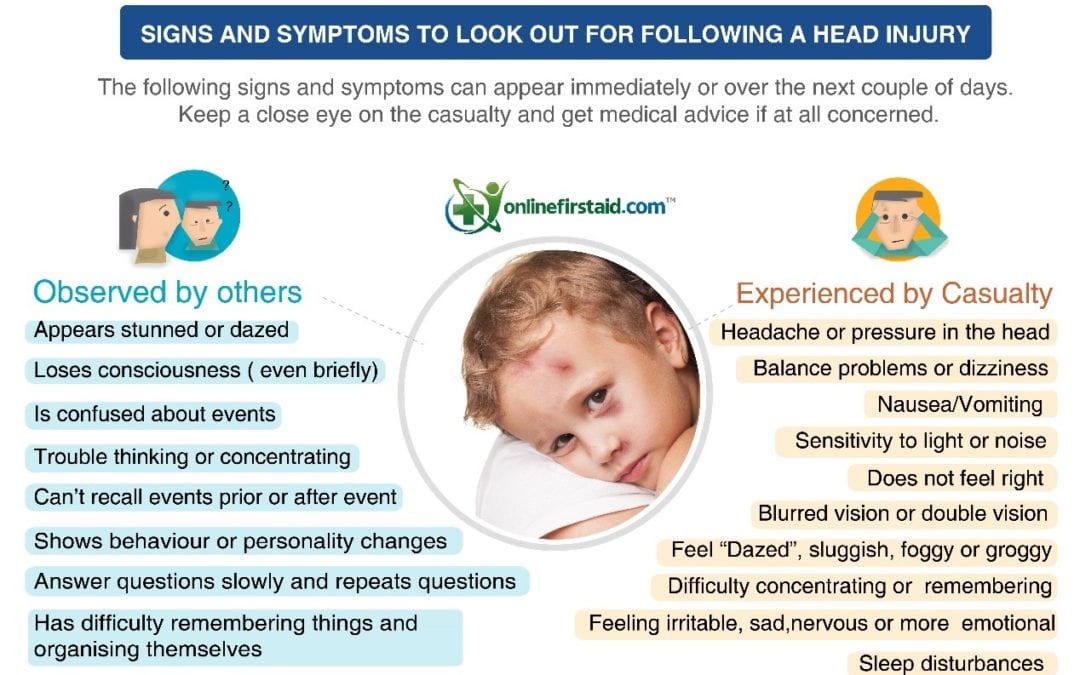
Head Injuries – What to Do and How to Help
Babies and children often bang their heads. This is partly because their heads are disproportionately large compared to the size of their bodies; but also because they don’t tend to look where they’re going and are oblivious to many dangers around them. Head...
Heart Attacks and Cardiac Arrests – What’s the Difference?
Heart attacks can happen to anyone, of any age. Although they are more likely to occur in older people. In the UK there are over 200,000 hospital visits each year due to heart attacks: that’s 1 every 3 minutes. More than 30,000 out of hospital cardiac arrests...
High blood pressure and how to reduce it
High blood pressure or hypertension is often an underlying condition, closely associated with serious health issues such as heart attacks and strokes. High blood pressure affects an estimated 17 million people in the UK. This article aims to explain exactly...
9 Signs that you Should Urgently Call an Ambulance
Understanding when to phone an ambulance, take someone to A&E, or to their GP is a critical decision. Particularly when the NHS is in overwhelm! Ambulances may struggle to get to you as the A&E departments are gridlocked and ambulances are therefore queuing...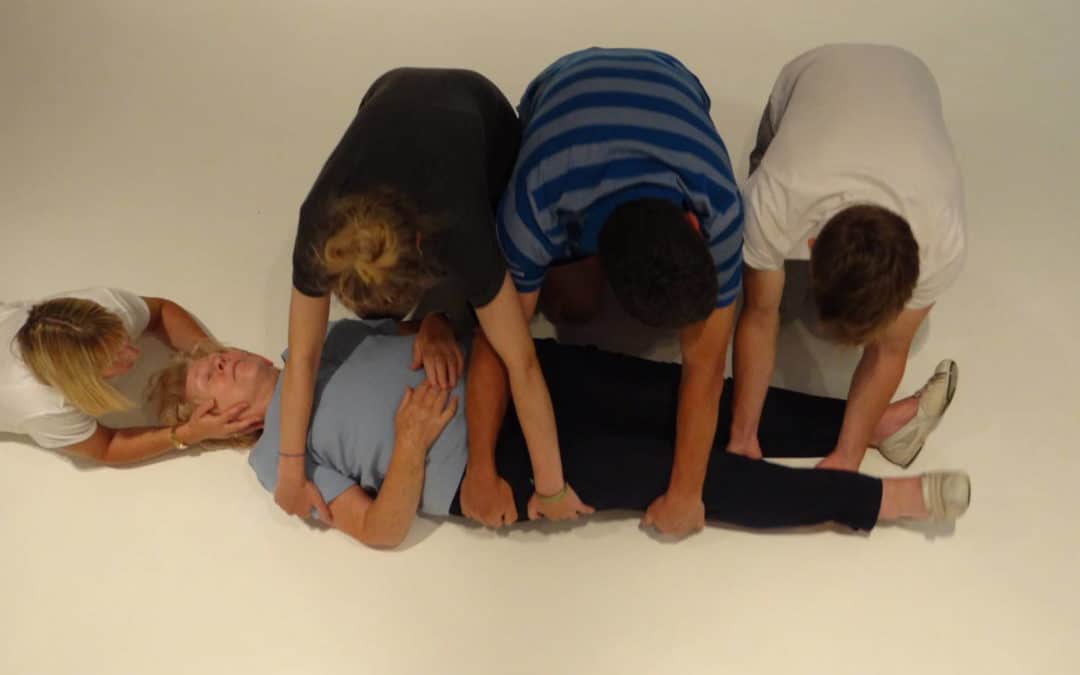
Spinal Injury – Know the Signs and What to do to Help
The National Institute for Clinical Excellence (NICE) states that approximately 700 people sustain a new spinal cord injury (SCI) each year in the UK. Currently there are no ‘cures’ for spinal cord injury and in the UK there are 40,000 people living with long term...As featured on:

Voted number one Feedspot best blogs
 Never miss out on vital updates –
 Certified Member of:

Onlinefirstaid.com trades as
First Aid Online Ltd.
First Aid Online Ltd.

74 Ramsden Rd
London SW12 8QZ
020 8675 4036
$-$$
Follow Us!



Award winning: