
Drug errors may be causing thousands of deaths each year
With 1.15 billion drug prescriptions being made each year, it is no wonder that mistakes are made – but a recent study has shown the problem to be far more significant than previously thought. It has been estimated that be GPs, pharmacists, care homes and hospitals are making up to 237 million drug errors annually. When you look at the bigger picture, that could mean as much as one mistake being made for every five drugs handed out to patients in the UK. The problem appears to be more widespread amongst older patients, those who have a number of illnesses and patients who take numerous medications.
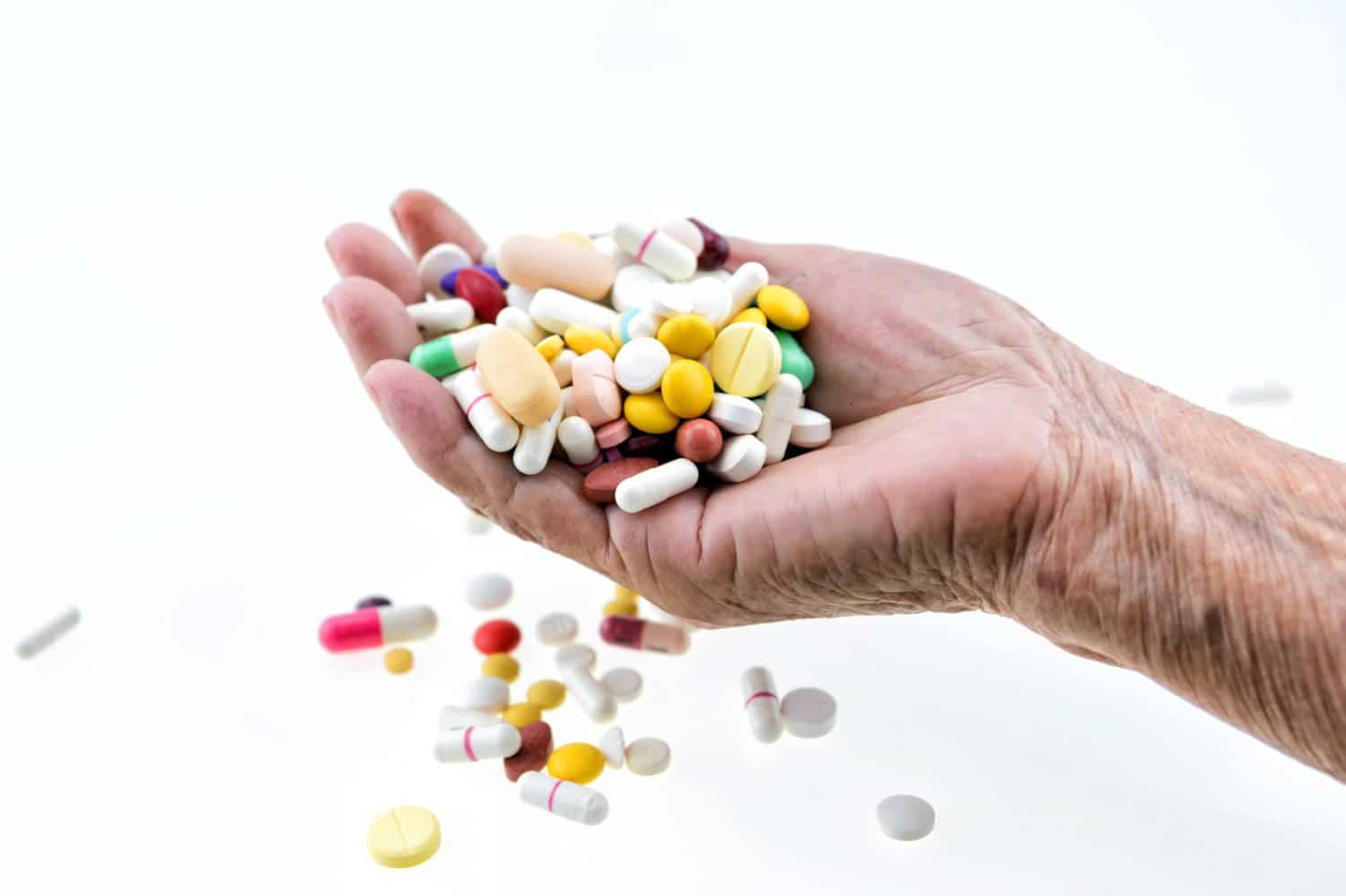
The main drug errors being made include:
- the wrong dose of a drug being dispensed
- delays in medication being administered to patients
- incorrect medications being given in the first place
Although the majority of these mistakes have probably caused no adverse effect to the patient, in more than a quarter of cases they may have caused harm, and possibly death. Researchers from York, Manchester and Sheffield universities say that drug errors may cause 700 deaths a year but may possibly also being a contributing factor in between 1,700 and 22,300 more, which is a far more significant finding. There is limited data available though, so these figures are very much estimates.
Speaking about the issue Jeremy Hunt said “It is a far bigger problem than generally recognised, causing appalling levels of harm and death that are totally preventable.” He also said that he was concerned about the findings but highlighted the fact that drug errors are a global problem and not unique to the NHS.
To improve the situation, Mr Hunt is proposing a continued rollout of electronic prescribing, as this initiative has been very delayed and currently only a third of hospitals have an effective system in place. The Department of Health and Social Care have said that they believe this could reduce drug errors by 50%. A change in the law will also be introduced, meaning that pharmacists will no longer be prosecuted if they own up to genuine mistakes. This will hopefully lead to more openness, so that the NHS can learn from mistakes currently being made.
Written by Emma Hammett for First Aid for Life
It is strongly advised that you attend a Practical First Aid course to understand what to do in a medical emergency. Please visit www.firstaidforlife.org.uk and www.onlinefirstaid.com for more information about our practical and online courses and to access free resources.
First Aid for life provides this information for guidance and it is not in any way a substitute for medical advice. First Aid for Life is not responsible or liable for any diagnosis made, or actions taken based on this information.


0 Comments