
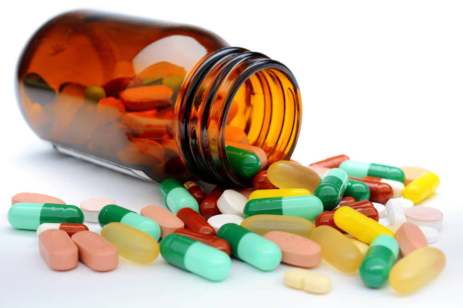
A poison is any substance which can cause damage if it enters the body in sufficient quantities. A poison can be swallowed, breathed in, absorbed through the skin or injected.
Poisons can cause seizures, blurred vision, and/or major allergic reactions. They can also be fatal. If you suspect a child has been exposed to a potentially harmful substance, follow the guidelines and get them seen by a medical professional as soon as possible. The key to poisoning is prevention. Read our advice on this here.
What to Do If They Have Been Poisoned
If you suspect a child has swallowed or taken a harmful substance, calmly establish how much has gone and if any has been swallowed.
If the child is perfectly well, call 111 (they have access to the poisons database and can give clear and helpful advice). Call the emergency services if you are seriously worried. Give as much information as you can.
If they have eaten a berry, take and photograph a leaf from the plant to help it to be identified. Don’t let your child run around – this will increase their metabolism and could speed up any reaction.
If the poison was a tablet or substance contained in packaging, keep as much evidence as possible of what was taken. Take the packaging with you to hospital.
If the child shows any change in behaviour, starts to vomit or becomes drowsy, call an ambulance and explain clearly what’s happened.
Do not take them to hospital in a car unless advised to do so by the emergency services. This is in case they deteriorate on the way to hospital.
Corrosive Substances
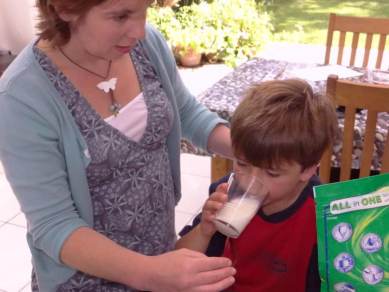
Cleaning products and dishwasher tablets contain strong alkalis and burn if swallowed. If you suspect a child has eaten a dishwasher tablet or drunk cleaning product, stay as calm as possible and establish what has happened. Read the packaging advice.
Wipe away any obvious residue from around the child’s mouth. Rinse their mouth with milk or water. Give them small sips of these if they have swallowed the substance.
Phone for an ambulance and give them as much information as you can.
- Do not make your child sick as the substance will have burnt them as they swallowed it – vomiting will burn them again.
- If they begin to lose consciousness, you may need to give CPR. Protect yourself from the corrosive substance by using a face shield.
- If your child has eaten a button battery, they will need to be taken to A&E for an X-ray. A battery will burn through the intestinal wall. You may not be aware there is a problem until the child becomes visibly unwell.
About us
Written by Emma Hammett for First Aid for Life
Award-winning first aid training tailored to your needs. Please visit our site and learn more about our practical and online courses. It is vital to keep your skills current and refreshed.
We advise that you attend a fully regulated Practical or Online First Aid course to understand what to do in medical emergencys. Please visit https://firstaidforlife.org.uk or call 0208 675 4036 for more information about our courses.
First Aid for Life is a multi-award-winning, fully regulated first aid training provider.
Our trainers are highly experienced medical, health and emergency services professionals who will tailor the training to your needs. Courses for groups or individuals at our venue or yours.
First Aid for Life provides this information for guidance and it is not in any way a substitute for medical advice.
First Aid for Life is not responsible or liable for any diagnosis made or actions taken based on this information.
The best way to be prepared for action in an emergency is to attend a practical first aid course or do one online.


0 Comments