
Our Ambulance service is under more pressure than ever and the majority of the time is far short of the 8 minute target times for life-threatening emergencies. The target for non-life threatening is 75% of ambulances within 19 minutes. Therefore, it is currently more than likely that you could be waiting for an ambulance for a significant amount of time – even in a life-threatening emergency.
First Aid skills are therefore of critical importance as you are pivotal to their survival.
If you find someone who needs help, what should you do?
If you are first on scene and find someone who has collapsed or had an accident – what you do in those first vital minutes is of critical importance and could make the difference between life and death.
- Take a deep breath, collect your thoughts and stay calm
- Check for danger – be aware of what might have happened and maintain your own safety as well as that of the casualty
- Check for response – speak to them and if no response tap them firmly, gently shake them or pinch them to see if there is any response.
If no response:
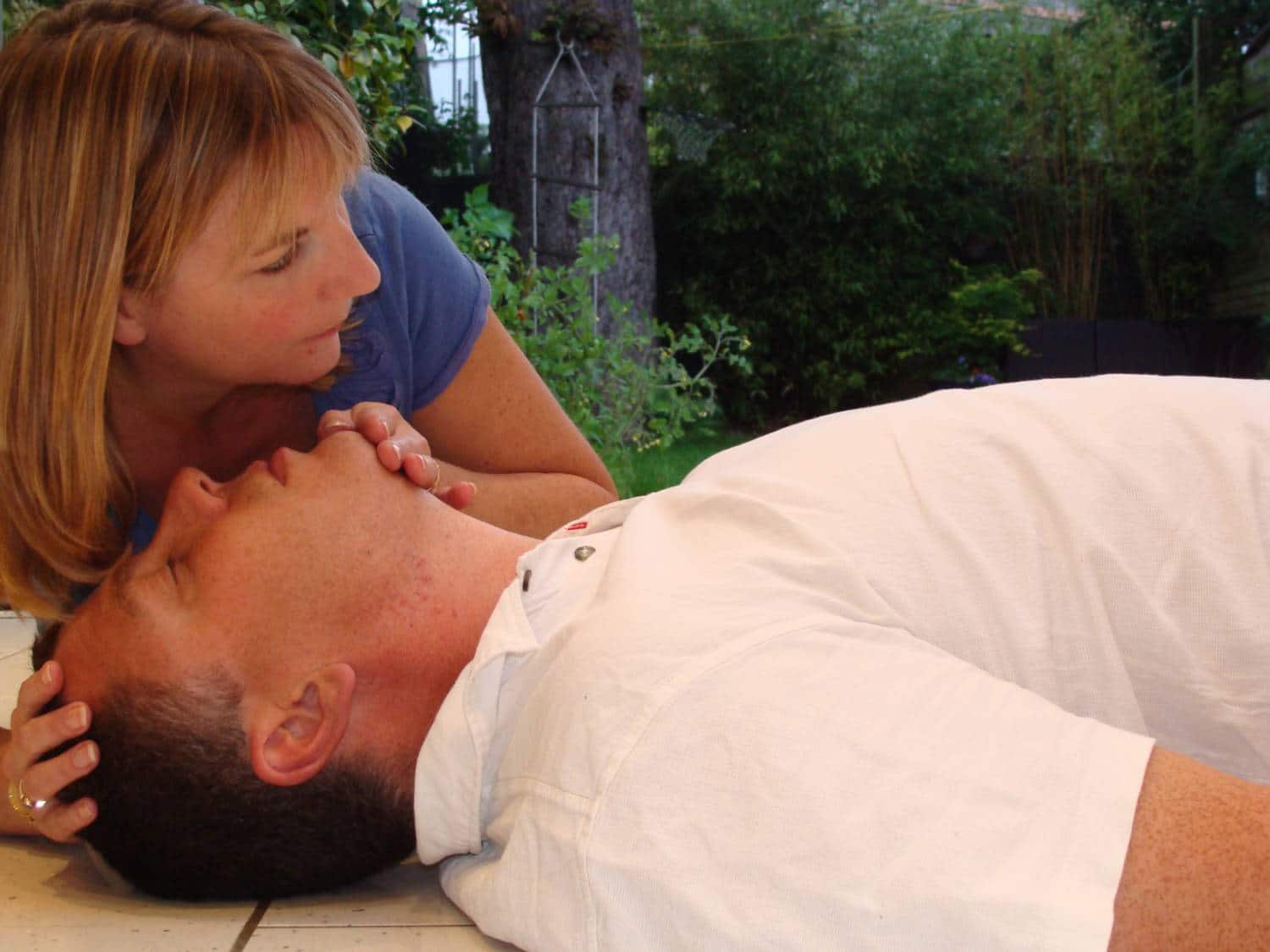
Open the airway and check for breathing
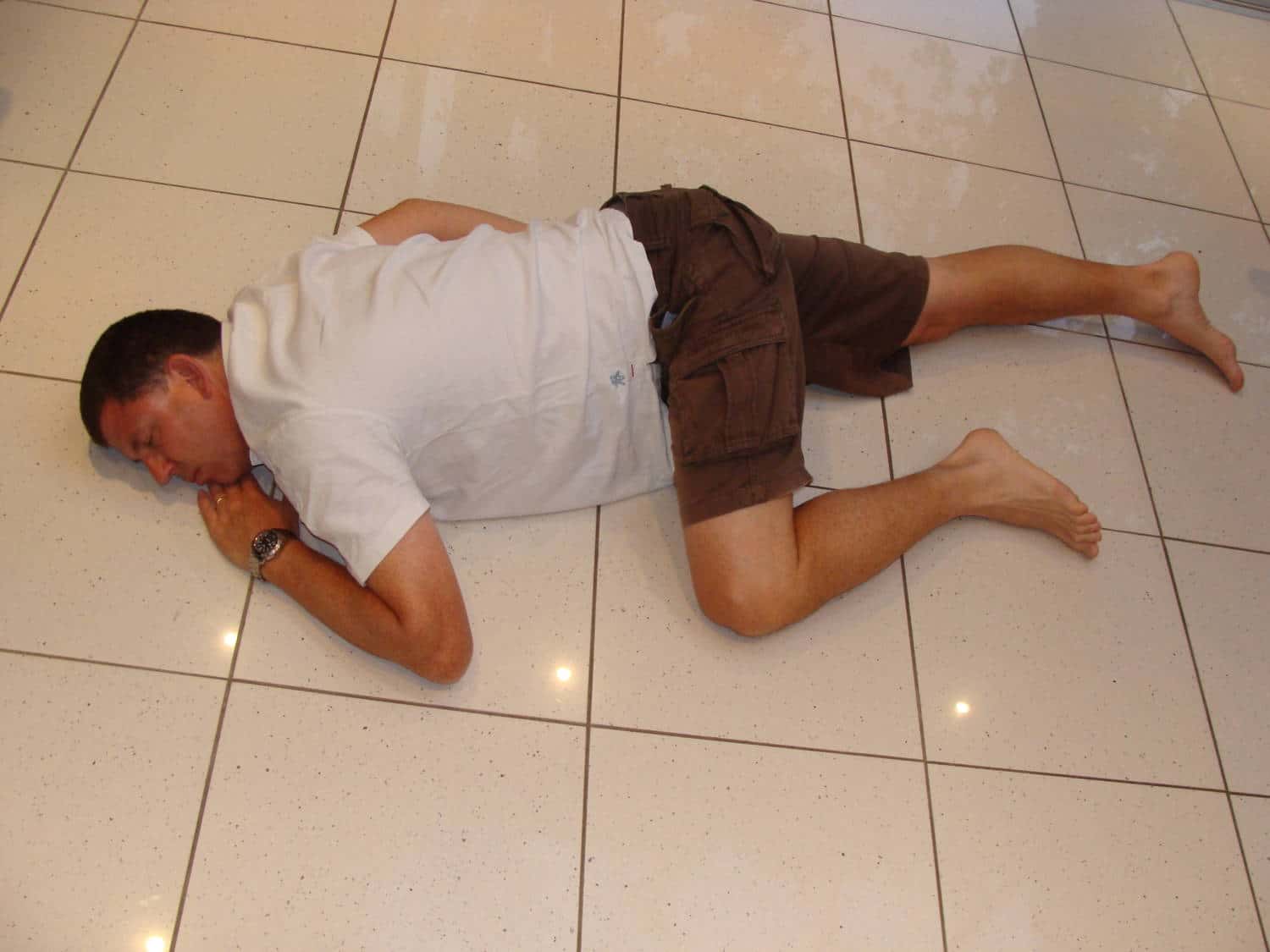
If breathing put into recovery position
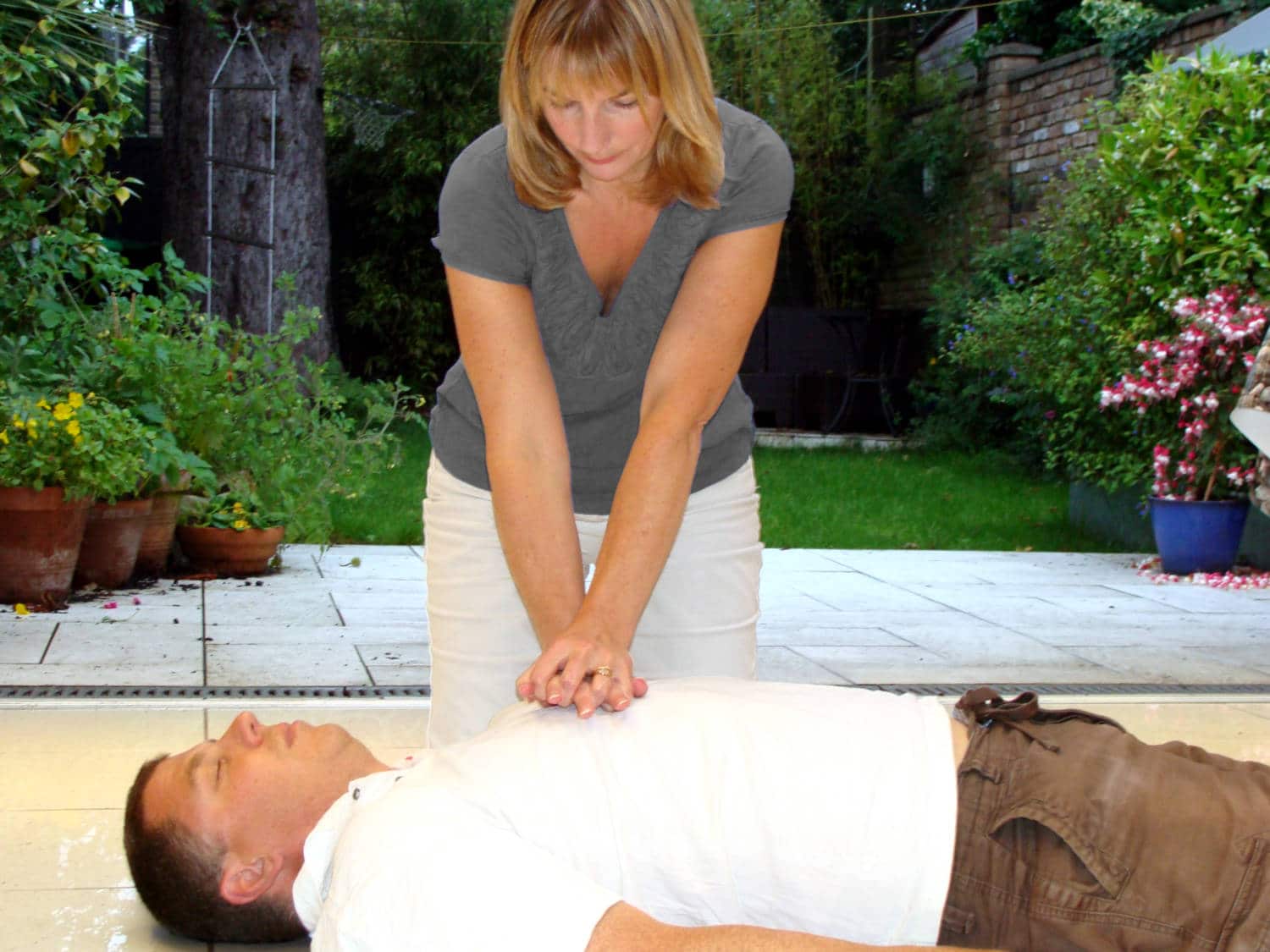
If not breathing start CPR
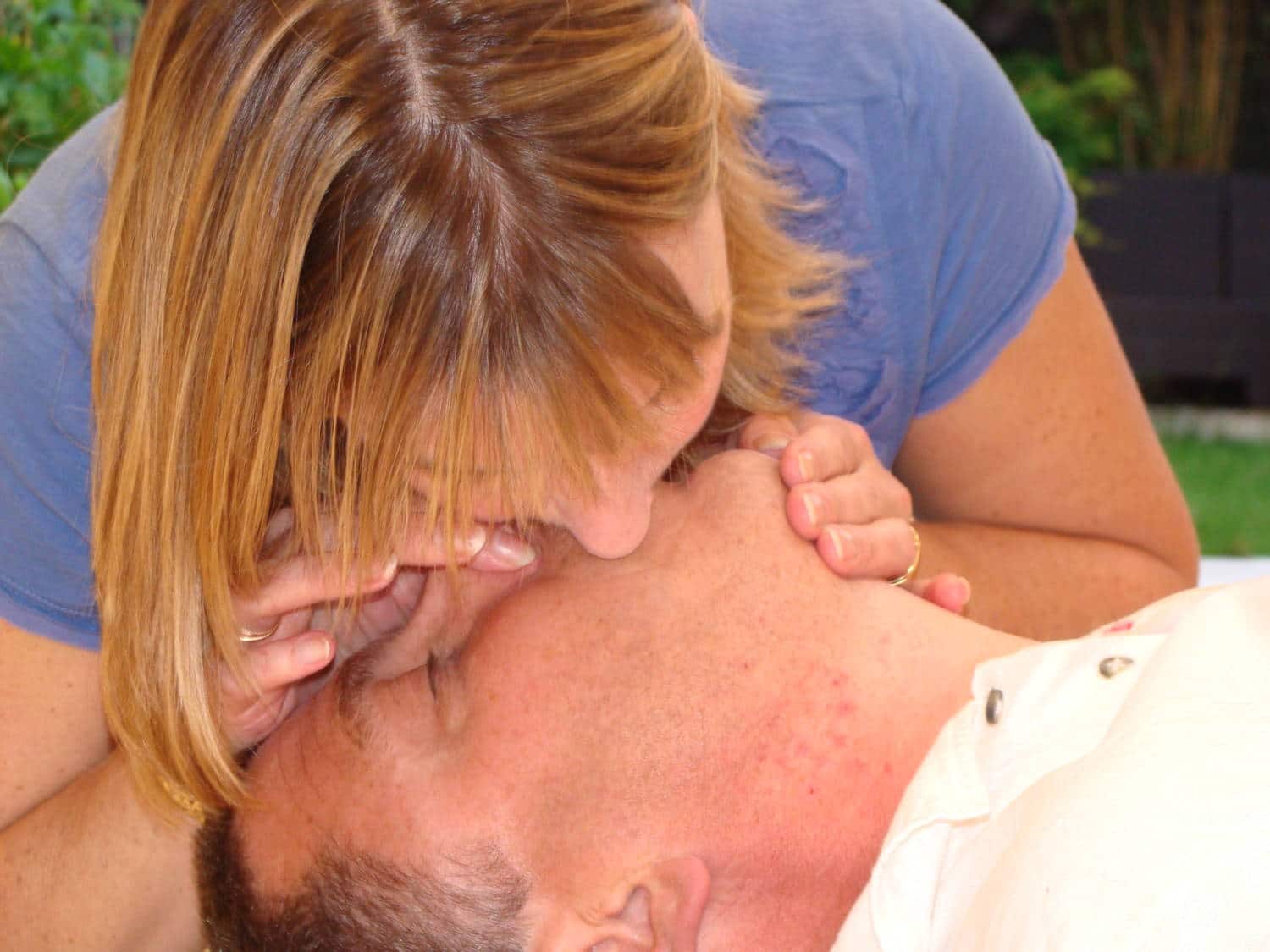
30 compressions 2 breaths (For a baby or child start with 5 breaths)
At what point should you call an ambulance?
If there is someone else who can call an ambulance, they can do this straight away.
If you are on your own:
- If the person is unconscious and breathing – put them into the recovery position and then get an ambulance on the way.
- If the person is unconscious and not breathing – if they are an adult start CPR straight away If it is a baby or child – do 5 rescue breaths, 30 compressions… 1 minute’s CPR and then get an ambulance on the way.
- If the person is conscious – control any bleeding and perform urgent First Aid to stabilise their condition. Help the casualty to administer any relevant medication if appropriate – for example GTN spray, asthma pump, Epipen… prior to calling an ambulance.
What should you do whilst waiting for an ambulance?
If the casualty is conscious –
- Keep yourself and the casualty calm.
- Check that they have no problems breathing and control any bleeding with direct pressure.
- Keep them warm and dry.
Difficulty breathing
If the casualty is struggling to breathe, the best position for them to be in is sitting down in an upright position.
Try and establish why they are having difficulty and if they have any medication to help – are they asthmatic? Could they be having an acute allergic reaction? – if so help them to administer any medication straight away.
If their condition doesn’t improve, phone the ambulance service again and tell them what is happening.
Possible heart attack:

If you think they might be showing signs of a heart attack – sit them down in an upright position (lazy W if they are comfortable with this) and encourage them to take their GTN spray if they have one. If they do not feel better and they have been prescribed a 300mg Aspirin they should chew this – phone the emergency services again and stress that it is urgent. If they become unconscious and stop breathing – start CPR.
Possible Stroke
If someone is showing signs of a stroke – get them to a stroke unit as soon as you can. If there is a delay with the ambulance and you feel safe transporting them, take them there yourself. It is of critical importance that they are swiftly assessed as if they have a blood clot and are treated quickly enough it is possible to reverse the damage. A good First Aid course should equip you with all the skills to prioritise injuries and to know how to help whilst waiting for an ambulance. Continue to reassure the casualty and keep them warm and dry.
Possible Spinal Injury
If they are conscious and you are concerned that they may have damaged their spine – encourage them to stay still and explain how important it is that they avoid twisting their back or neck. If they are unconscious and breathing, even if you are worried about their spine – you should very carefully roll them into the recovery position, protecting their neck and back to avoid twisting. First Aid for Life – spinal injury when and how to move them
Written by Emma Hammett for First Aid for Life It is strongly advised that you attend a Practical First Aid course to understand what to do in a medical emergency.
Please visit firstaidforlife.org.uk for more information about our courses.
First Aid for life provides this information for guidance and it is not in any way a substitute for medical advice. First Aid for Life is not responsible or liable for any diagnosis made, or actions taken based on this information.


0 Comments