
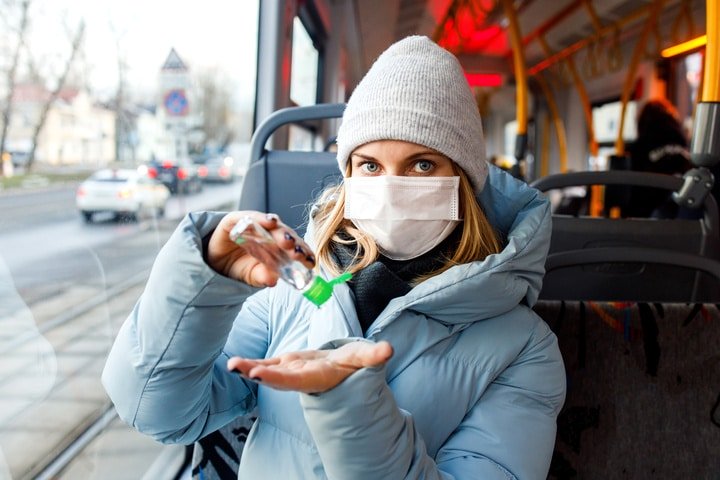
Many people are now being encouraged to return to work. Schools are reopening for Autumn term, which can bring some anxiety for both parents and children. It is important that everyone understands the new normal as they begin the daily commute. This is vital in order to stay safe at busy times. It is also a helpful preparatory step which can relieve some of the stress of returning to school or work.
In this article, we advise how to stay safe on the most common modes of transport.
Commute with care during Covid-19
It is important to re-iterate that you should not travel if you are displaying symptoms of covid-19. Click here to read our article on 19 possible symptoms to look out for.
The CDC’s latest guidance suggests that avoiding public transportation is your best bet when it comes to preventing the transmission of Covid-19.
Their guidance uses biking, walking, and driving your own personal vehicle as examples of suggested ways to commute.
Where that is not possible, it is important to remain vigilant while on public transport by following government advice.
- Avoid touching things. Make use of touchless payment methods and no-touch trash cans and doors whenever possible. Wash your hands or use hand sanitizer as soon as possible after touching any frequently touched surfaces. Coronavirus can remain on plastic, metal and other hard surfaces for a long time – so ensure you don’t accidentally contaminate yourself.
- Be aware and think about what you are touching and ensure you don’t touch your face with potentially contaminated hands. Gloves are only clean when initially put on, many people forget this and feel safer with gloves on – gloves can easily increase cross infection, it is safer to ensure you regularly use hand sanitiser and are sure you are decontaminating your hands on a regular basis.
- Try not to fiddle, adjust or touch your mask. This can contaminate it and lead to you infecting yourself. Do not wear your mask under your chin and always remove it using the ear straps.
- Practice physical distancing. Travel during non-peak hours, if possible. Put at least 1m+ between yourself and other people. Follow any physical distancing markers like floor decals or signs that have been designated by your local transit authority.
- Practice good hand hygiene. Wash your hands and use hand sanitizer as needed.
- Improve ventilation. If you’re in your own vehicle or a passenger in a ride share or taxi, try to improve the ventilation by opening windows or setting the air ventilation or air conditioning on non-recirculation mode.
- Clean and disinfect surfaces. Use disinfecting wipes to clean any frequently touched surfaces prior to use.
- Wear a face covering. You are protecting others by doing this (and offering yourself a bit of protection too) as it stops the spread of droplets causing infection. It is now law so you must keep it on at all times.
- When using public transport, stay up-to-date on any changes to services and procedures. This is especially important if you require any special assistance.
Pedestrians and Child Safety
When walking to school, children struggle to judge speed and distance until they are at least eight.
- Hold young children’s hands when walking near the road.
- You can start to teach the Green Cross Code from around five years ‘stop, look, listen and think’. Remember that electric cars are silent, so it is absolutely vital to depend on all our senses.
- Children learn by copying what you do. Now more than ever, it’s helpful to set a good example before you step off the pavement.
Drivers
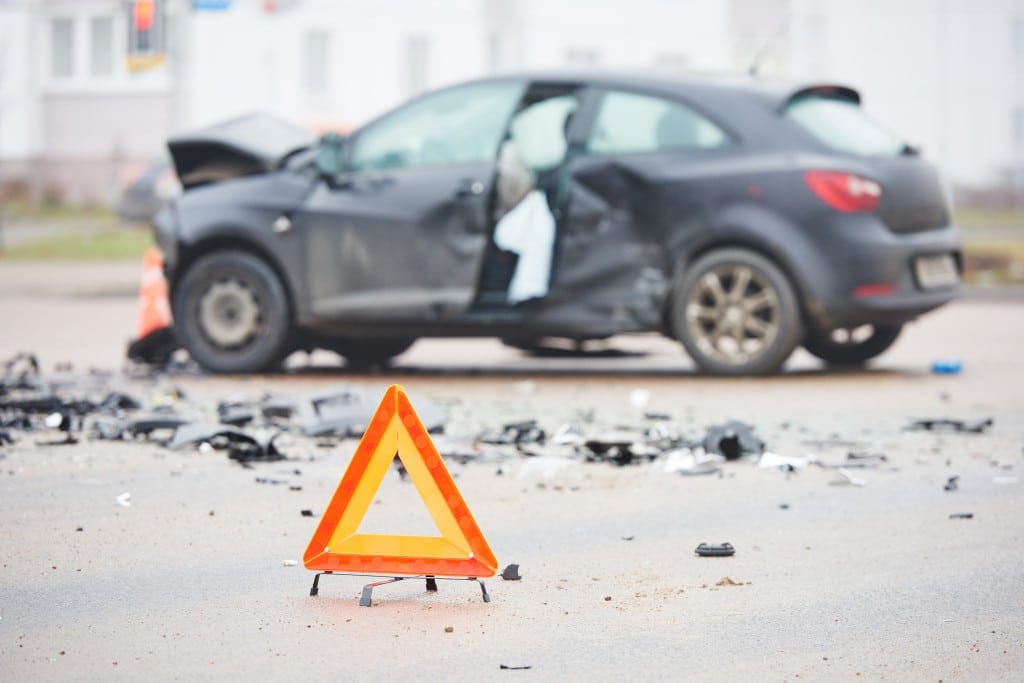
It’s mind boggling the difference speed makes to a child’s chances of survival if hit by a car. 20 mph means most children will survive, just 20 mph more and nearly all will die, or at the least experience serious life-changing injuries.
- It is incredibly important to slow down in built-up areas or where you seeing children playing. It only takes a moment to take a life.
- Avoid the temptation to look at your phone when driving. Keep it out of reach and on silent when you are driving.
- No matter how short your journey, remember to use the right child car seat or booster seat for your child’s weight and height.
Car drivers and motorcyclists should have an appropriately stocked kit: advice as to what to put into your kit can be found here.
Click here for an extensive run through of first aid tips for road accidents.
Cycling
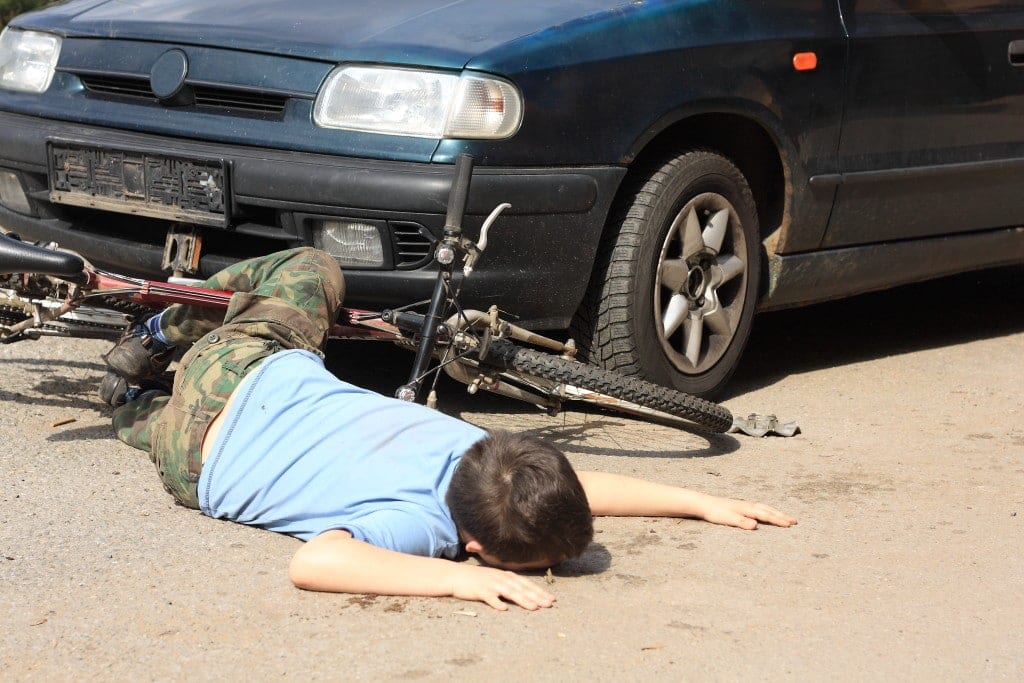
The UK Government has recently launched an extensive obesity strategy aimed at getting people fit and relieving pressure on the NHS. Cycling initiatives are a key part of this and are a popular way of getting to work and school.
While cycling is a great way to improve your physical and mental health, cyclists can be particularly vulnerable road users. Read our full article here on how to cycle safely, covering the importance of wearing a helmet and first aid for common cycling injuries.
Advice for cyclists commuting during covid-19
The following advice is provided by the Department of Transport’s recent THINK! Campaign:
- Ride decisively and keep clear of the kerb.
- Look and signal to show drivers what you plan to do, make eye contact where possible.
- Avoid riding up the inside of vehicles. If a vehicle is indicating to the left hang back at the junction to reduce the risk of a collision.
- Always use lights after dark or when visibility is poor. Wear high-visibility and reflective clothing and accessories at all times
- Wear a correctly fitted cycle helmet that is securely fastened and conforms to current regulations.
- Your local council can help you plan your journey by providing maps showing dedicated paths and routes.
- Where possible, try to maintain social distancing when you cycle, for example when waiting at crossings and traffic lights.
- Where using bikes (private, docked or dockless) wash your hands for at least 20 seconds or sanitise your hands before and after cycling.
Scooters

Scooters on the road are becoming a common sight. Click here to read our full article on electric scooters and safety.
What to do if you’re at the scene of an e-scooter accident?
- Approach Cautiously – maintain your own safety. Above all, keep checking that the area continues to be safe.
- Alert people to the Accident – Help to safely stop traffic around the scene. That is to say, ensure that you make oncoming traffic and approaching traffic aware of the fact that there has been an accident.
- Phone the emergency services – If there are other people around, get them to help with this
- Help the casualties – Immediately assess whether they are conscious or not. After that, If there is no response, check if they are breathing.
If the casualty is breathing, put them in a position where they are leaning forward or to one side to keep their airway open (the Recovery position). Move them as little as possible and avoid twisting them. After that, keep talking to the casualty calmly as they will be able to hear you, even if they are unconscious.
If the casualty is not breathing you will need to resuscitate them. Read more here.
- Treat any obvious bleeding and assess for signs of shock.
- Keep them warm and dry and reassure them calmly whilst waiting for an ambulance.
Road safety with First Aid for Life
First Aid for Life have excellent online first aid courses for cyclists, motorcyclists and drivers.
These courses are designed to give you the theoretical knowledge (and a lot more) needed to equip you with the skills and knowledge to be able to help someone involved in a road accident. These courses are an excellent First Aid Training package for people to gain the skills and knowledge to be able to help an adult or child injured whilst out on their bike or in a car. It also serves as an ideal annual refresher between practical courses covering the full HSE syllabus plus head injuries, heart attack, asthma and much more. These courses fulfil all the criteria for Appointed Person First Aid training, however a practical course is required in order to qualify as a full First Aider.
Each course consists of illustrated step by step directions, flow charts, diagrams, videos and short test yourself sections fully compatible with all computers and mobile devices. You will be able to stop and start as often as you like and on completion you will be able to print your certificate.
Come and join one of our practical courses – click here to book!
About us
First Aid for Life provide award-winning first aid training tailored to your needs. Please visit our site and learn more about our practical and online courses. It is vital to keep your skills current and refreshed. We are currently providing essential training for individuals and groups across the UK. In addition, we have a great range of online courses. These are ideal as refreshers for regulated qualifications or as Appointed Person qualifications.
You can attend a fully regulated Practical or Online First Aid course to understand what to do in a medical emergency. Please visit https://firstaidforlife.org.uk or call 0208 675 4036 for more information about our courses.
First Aid for Life is a multi-award-winning, fully regulated first aid training provider. Our trainers are highly experienced medical, health and emergency services professionals who will tailor the training to your needs. Courses for groups or individuals at our venue or yours.
First Aid for life provides this information for guidance and it is not in any way a substitute for medical advice. We are not responsible or liable for any diagnosis made, or actions taken on this information.


0 Comments