
Sunscreen – common mistakes we make and should avoid when choosing and using sun creams
– Can you burn through glass? what do SPF numbers mean? how much sun cream should you put on? when should you re-apply it? will clothing protect you?
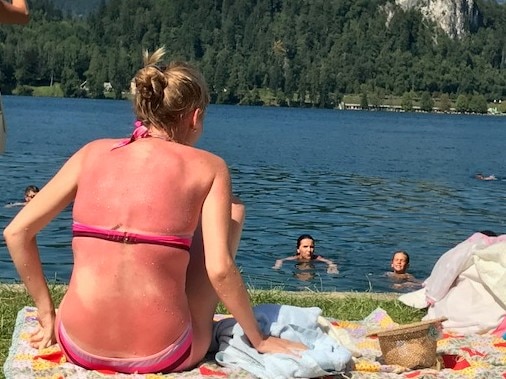
Summer is here, the sun is shining, and you are being skin aware and applying sun cream. So far, so good. However, according to a skin expert many of us are making common sun screen mistakes. Read on to find out the best way of making your sun protection work for you, so you can stay sun safe this summer.
Dr Preethi Daniel, GP and clinical director at London Doctors Clinic, suggests using a shot-glass sized amount of sunscreen, so many of us may well be under-estimating how much we need. And sunscreen when applied too thinly offers reduced amounts of protection, sometimes by as much as half. The NHS suggest at least a full tablespoon, either way it is probably less than I usually put on.
We may not be applying sun cream regularly enough either. If you are sweating heavily, swimming or after towel drying, you need to reapply cream every two hours. Even when using water resistant cream.
Can you burn through glass, clouds and clothes?
Don’t be fooled into thinking you don’t need to apply sun cream if it is cloudy or if you are in a car. UV rays can pass through cloud cover and car windows so factor up even when it isn’t sunny or you are travelling.
Ordinary glass screens out 97% of UVB rays and 37% of UVA which equates to an SPF factor of about 30 – therefore you can still burn through glass on a long journey and burn whilst working at your desk if it overlooks a window.
It’s also a myth that the humble t-shirt offers protection against the sun’s rays. A t-shirt only offers the equivalent protection as SPF 7 sun cream. This drops to a mere SPF 3 if the clothing becomes wet. Wear sun appropriate clothing such as close-weave clothes, long sleeved tops, wide brimmed hats and don’t forget sunglasses.
High SPF – the lowdown
SPF – sun protection factor – refers to the amount of protection sun cream gives against UVB. The higher the factor, the higher the protection against skin damage. The minimum you should be wearing is factor 15.
It refers to the increased amount of time you are able to spend in the sun without burning. For example, if you were very fair skinned and could usually only spend 10 minutes in the sun before burning, an SPF sunscreen will enable you to stay in the sun for 10 times longer – 150 minutes.
However, a high SPF factor cream doesn’t offer cast iron protection against burning. People wearing a high SPF factor can still suffer skin damage, as can people with dark skin. Sunburn can greatly increase your risk of serious skin cancer, although continued sun exposure can lead to skin cancer – even without burning.
The amount of UVB that the sunscreen screens out is not linear either – an SPF15 will screen 93%, an SPF 30 97% and and SPF 50 will screen 98% of these potentially harmful rays.
When buying a sun scream, look for a good quality cream that protects against UVA and UVB rays. Look for at least 4-star UVA protection. Don’t stint when applying it and put it on at least half an hour before sun exposure. It is better to use a lower factor and apply it more often, than to use a higher factor cream just once.
UVB rays cause sunburn, but UVA rays penetrate deeper into the skin – they don’t cause sunburn, but do cause damage and have been implicated in many skin cancers.
Covering the basics
Remember to apply to arms and legs, ears, forehead and nose. Don’t forget the easy-to-miss places like the back of the neck, as well as paler skin areas and areas that are not often exposed to the sun. All can easily burn in the sun. (I managed to burn my bottom snorkelling with my bum in the air!)
If possible, try and avoid the sun’s strongest UV rays which are between 11am and 4pm.
And finally, check expiry dates. It’s all too easy to save bottles of old sun cream from one year to the next. In fact sun cream has a shelf life of just 2-3 years.
Sensible time in the sun is good for you to increase your levels of vitamin D, just follow these tips to avoid over exposure and burning.
Sunburn – what to do
If you do are burned, cool the affected area under a tepid shower for at least 10 minutes or apply repeated cool, wet towels for 15 minutes. When the area has been completely cooled, apply neat Aloe Vera gel to the affected area. Aloe Vera gel will soothe the burn, reduce swelling and promote healing. Drink plenty and take paracetamol or ibuprofen for the pain. Any child who has been sunburnt should be seen by a medical professional.
If you want to learn more on the topic, have a read at this article
First Aid for Life provides this information for guidance and it is not in any way a substitute for medical advice. First Aid for Life is not responsible or liable for any diagnosis made, or actions taken based on this information. It is strongly advised that you attend a First Aid course to understand what to do in a medical emergency.



0 Comments