
Many young people are away from home doing DofE or for the first time at universities in halls of residence. As well as making sure they can feed themselves, one of the best preparations to equip them for responsible independent tasks is for them to have the necessary first aid skills in an emergency.
These reasons highlight the utility of learning first aid:
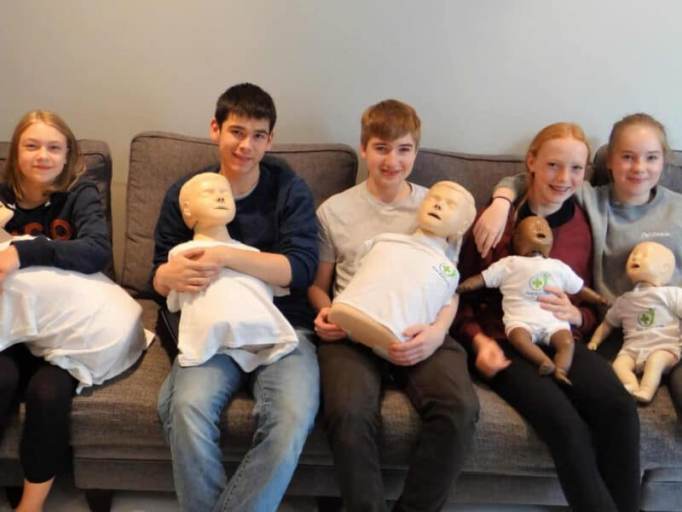
Brains still developing
This is because teenagers and young people often feel invincible.
As their brains are still developing (especially the risk evaluating part), teenagers and young people are very likely to push boundaries and potentially expose themselves to very risky situations.
So, it is vital that they understand how to evaluate risk – and just how important that skill can be. Also, if or when things go wrong, it is imperative that they know not only how to look after themselves, but also how to care for those around them.
When accidents happen, it is crucial that teenagers are equipped with the skills and confidence to protect themselves and their friends.
Worrying statistics
A survey, commissioned by the British Red Cross revealed the following alarming statistics:
More than 532,000 young teenagers have been left to cope with a drunken friend who was sick, injured or unconscious within the last year.
1/4 of young people have had to deal with asthma attacks.
1/3 of teenagers have had to cope with someone with a head injury.
1/5 teenagers have had to help someone who is choking.
Moreover, when faced with these emergency situations, 44% panicked and 46% simply didn’t know what to do.
In the survey’s most compelling statistic, 97% of young people said they believed first aid education would improve their confidence, skills and willingness to act in a crisis.
Overdoing it on the alcohol:
When someone had drunk so much alcohol that they have collapsed, immediately check that they are breathing. After that, roll them into the recovery position to ensure their airway remains clear. If someone is drunk; it becomes harder for them to maintain their body temperature and they can quickly succumb to hypothermia. If they are outside bring them in, or alternatively, if you are unable to move them, insulate them from the ground and cover them with a coat or blanket. Keep checking they are breathing and that their airway remains clear, especially if they are vomiting.
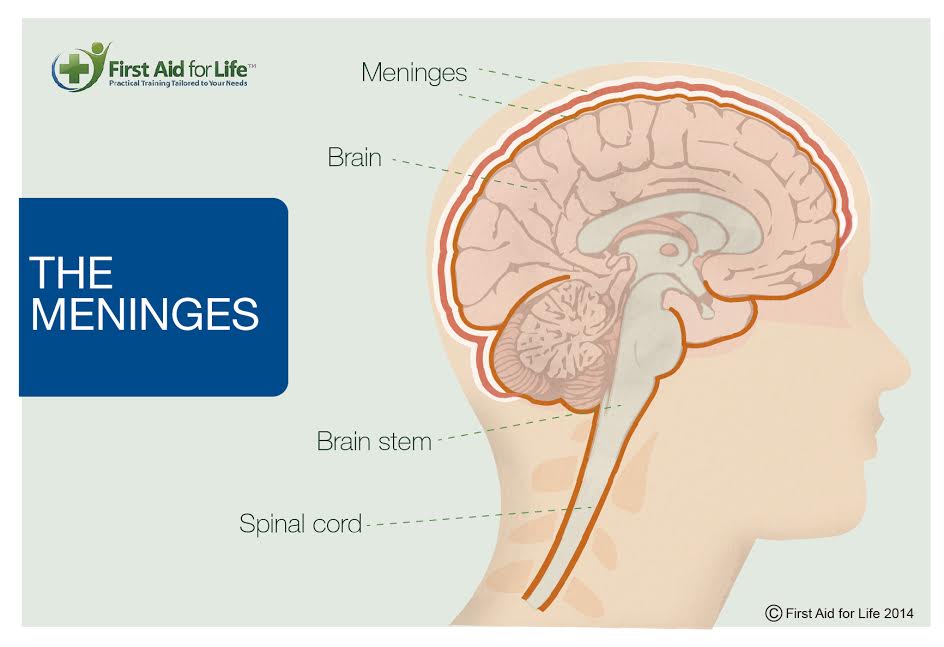
The effects of alcohol can also make it harder to assess serious signs and symptoms. If someone has hit their head and they are drunk; they should always be checked out by a medical professional. Anyone who has suffered a serious head injury should be monitored for the next 48 hours to check for any signs of brain injury; this is even more important if they have been drinking or have taken any other substances.
Read more on dealing with minor head injuries and nose bleeds here: https://firstaidforlife.org.uk/minor-head-injuries-and-nosebleeds/
Drugs:
Drugs: If someone has taken some sort of drug, they are likely to have poor judgment and underestimate risks; they may even seek danger as an additional thrill. It is usually obvious if someone is high – check for dilated or constricted pupils. Therefore, speak to them and listen to what they are saying and how they say it. They may have taken a cocktail of drugs, or they may not know what they have taken at all. Moreover, it is very common for drugs sold to be completely different to what they thought they were purchasing. They may hallucinate or become violent.
Care for the Carer
Above all, do not put yourself in any danger. If they do not want your help and you are concerned about them, call an ambulance and the paramedics will take control of the situation. Many drugs lead to an excessive thirst and overheating and it is vitally important to remain well hydrated and not to mix drugs and alcohol. When caring for someone who is suffering a bad reaction from drugs, get help fast. If they are unconscious and breathing, you should put them into the recovery position and keep checking that they are breathing. Should they stop breathing and you need to do CPR, ensure you protect yourself with a face shield.
Read more about how to do CPR here: https://firstaidforlife.org.uk/cpr-cardio-pulmonary-resuscitation/
Read more about how to empower your teenager to safety deal with someone who is out of it from drink or drugs here: https://onlinefirstaid.com/tricky-situations-due-to-drink-or-drugs/
Breathing problems:
For asthma attacks: It is important for everyone to remain as calm as possible as stress and panic will make the situation worse. Encourage the casualty to use their blue reliever inhaler. If they haven’t got access to their inhaler; you must phone for an ambulance. A nearby chemist will be able to sell an emergency inhaler over the counter, given proof that this is prescribed medication. If symptoms get worse, you should seek medical help immediately.
To make sure your son or daughter knows how to react if they have an asthma attack or come across someone having one read more here: https://firstaidforlife.org.uk/asthma-how-to-help-in-an-asthma-attack/
Stress:
For panic attacks: leaving home can be a stressful time for young adults. They feel grown up, but the stresses of making new friends, living away from home plus studying can be a lot to manage in one go. In addition, this can lead to anxiety and panic attacks. To support your child through stressful times read our article here: https://firstaidforlife.org.uk/anxiety/
Falls:
Dealing with falls from a height when walking. If you suspect someone may have a spinal injury, it important to avoid twisting their spine. However, maintaining a clear airway is always a priority. Therefore, you will still need to roll them into the recovery position if they are unconscious and breathing. If possible, it is best to log roll them with the help of others. Treat bleeding by applying direct pressure; monitor them closely for signs of shock and phone for an ambulance. To read more click here: https://firstaidforlife.org.uk/road-traffic-accident/
Burns
For burns: catering for themselves can be a new venture for many young people when camping or living by themselves. Moreover, they may be unused to handling a cooker or hob. However, burns are extremely common, painful and potentially life-changing injuries. Burns frequently become infected and scarring from burns is often disfiguring and permanent. In fact, British Hospitals treat 13,000 burns each year. 200 people die from burns related injuries each year. Read more about how to deal with burns here: https://firstaidforlife.org.uk/best-advice-for-burns/
The importance of First Aid:
First Aid is an essential life skill and helps young people remain safer by appreciating risk. In addition, it provides the skills needed to help each other if they are involved in a medical emergency. My own teenagers have both had to use their first aid skills and knowledge on numerous occasions. For instance, at parties, on the sports pitch, babysitting and whilst doing their Duke of Edinburgh Expeditions.
A First Aid qualification is invaluable to young people striving to achieve their Duke of Edinburgh and Sports Leadership Awards. UCAS will value it – particularly if applying for a medically related subject. Parents will feel far more confident leaving their little ones with someone equipped with the skills to help if there is an accident. Furthermore, sports and kids clubs view First Aid skills as a necessity.
Therefore, not only are the skills hugely valuable and practical but they could save a life. The qualification gained is likely to increase a young person’s chances in this increasingly competitive world.
About us
Written by Emma Hammett
First Aid for Life and Online First Aid provide award-winning first aid training tailored to your needs. Please visit our site and learn more about our practical and online courses. It is vital to keep your skills current and refreshed. We are currently providing essential training for individuals and groups across the UK. In addition, we have a great range of online courses. These are ideal as refreshers for regulated qualifications or as Appointed Person qualifications.
You can attend a fully regulated Practical or Online First Aid course to understand what to do in a medical emergency. Please visit https://firstaidforlife.org.uk or call 0208 675 4036 for more information about our courses.
First Aid for life and Online First Aid provide this information for guidance only. It is not in any way a substitute for medical advice. We are not responsible or liable for any diagnosis made, or actions taken on this information.


0 Comments