
Stay safe around water during your holidays with our handy checklist
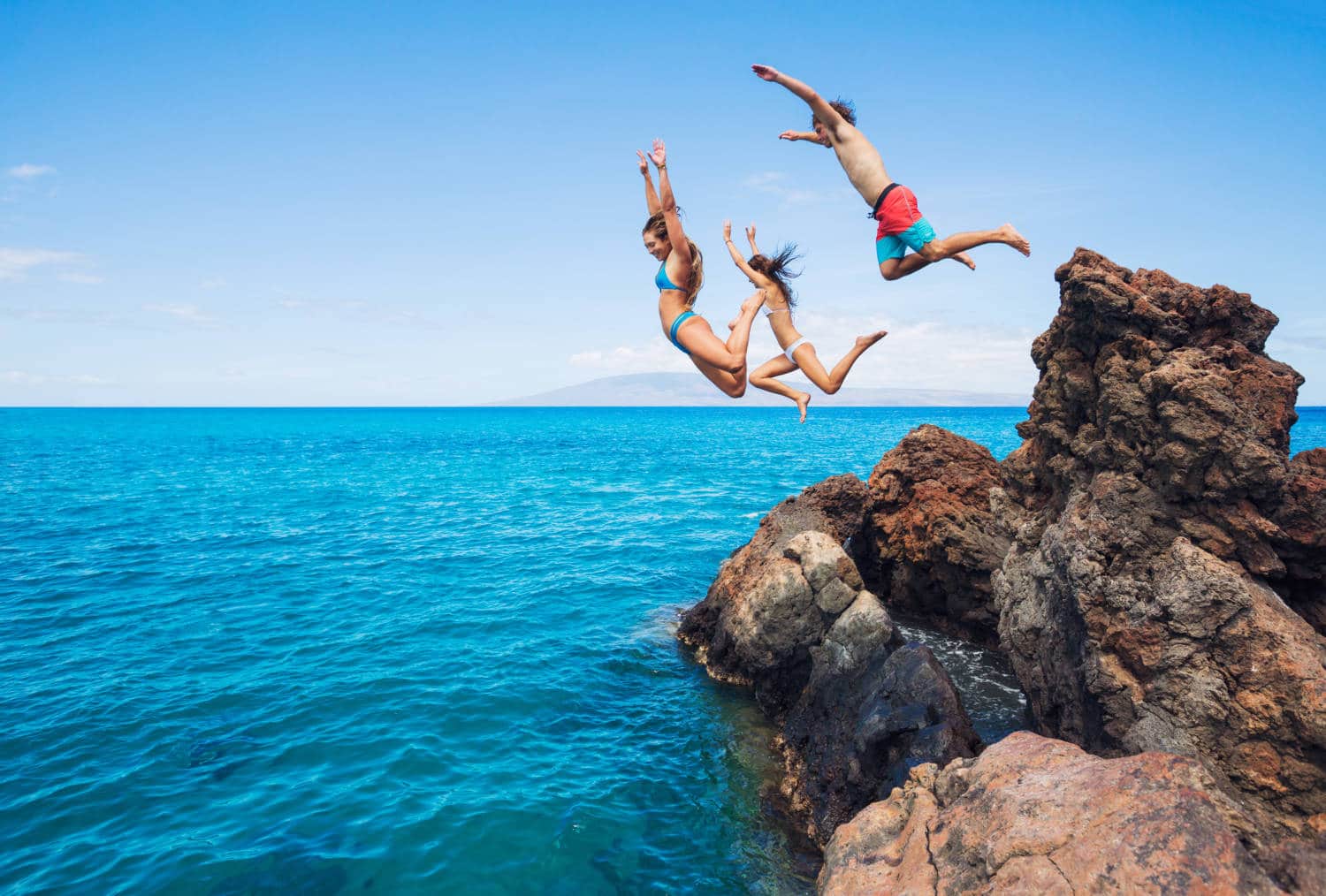
Having fun in the sun during the summer holidays often includes water; be it in a paddling pool, Lido, villa pool, lake, river or the sea. Whilst it is refreshing to take a dip, staying safe is vital. 255 people lost their lives from drowning last year – the majority of which were young men drowning in rivers, lakes and the sea.
Adventure Water Sports
Adventurous water sports such as kayaking, white-water rafting or surfing are also popular during the summer break. Riskier activities such as diving into the sea from cliffs or tombstoning often happen in the holidays.
Tombstoning
Tombstoning is when someone plunges into deep water from a bridge, cliff or quay; this is a high-risk activity. It has resulted in fatalities or injuries, such as spinal and limb injuries. Diving off cliffs is extremely popular and sadly results in a large number of people experiencing life changing injuries from spinal injury. Click here to learn more about first aid for a suspected spinal injury.These injuries happen because people misjudge the depth of the water they are jumping into; it may be shallower than it looks. In addition, they may be unable to see submerged objects such as rocks.
Currents
Difficulties can also occur as people underestimate the strength of the current. Moreover, they may be too confident in their ability to get out of the water because of steep rocks or a slimy riverbank.
Cold Water Shock
Whilst hot summer sun can make a cooling dip tempting, the sudden change in temperatures from hot to cold can make it difficult to swim. Cold water shock triggers the fight and fright response when someone enters cold water. It causes panic and this often precipitates drowning. To learn more about cold water shock and how to survive it – please click here to read our post.
Party Time
Summer is also a traditional time for teenagers to celebrate the end of their exams, go on holiday or party with friends. Teenagers are risk takers and in a group, are prone to egg each other on. I have just put both my children on a first aid refresher course, to ensure they are equipped with the skills to recognise if there is something seriously wrong and be able to help themselves or their friends should they have a medical emergency. Speak with your children about the risks of alcohol and taking other substances – particularly when swimming!
Cliff Diving
Alcohol and drugs alter perception, reduce inhibitions and increase risk taking. I was horrified on holiday last year at the number of teenagers, obviously intoxicated, who were encouraged by crowds to dive off high cliff tops into dark waters beneath. They had no way of gauging possible dangers beneath.
Open Water
Every year people die in lakes, rivers and reservoirs as swimming in open waters is extremely dangerous without proper training, kit and supervision. Open water is cold; it can be difficult to find an easy place to get out of the water and there are hidden dangers such as weeds and debris beneath the surface. These can snag you and pull you under.
Children
Younger children should be continually supervised around water; they can drown in just a couple of centimetres. Holiday pools should be fenced and children should never swim without a responsible adult in the water with them. If you are supervising your children, please ensure you are watching at all times, within easy reach and sober!
Be Aware
Whatever your age, staying vigilant around water is crucial; drowning can happen quickly and surprisingly quietly and causes a frightening number of fatalities every year.
First Aid for Life provides this information for guidance; it is not in any way a substitute for medical advice. First Aid for Life is not responsible or liable for any diagnosis made, or actions taken based on this information. It is strongly advised that you attend a First Aid course to understand what to do in a medical emergency.


0 Comments