
These days, many of us have caring roles, both personally and professionally. There has been much talk in the press about the ‘sandwich generation’. This means people in their 30s and 40s are now not only the carer for their children, but are also caring for elderly parents. People are living longer, so more healthcare professionals are needed to look after the ageing population. Families are also growing increasingly responsible for the care of elderly relatives. in addition, there are home carers, foster carers and those working in care homes. And let’s not forget the number of people who are responsible for the care of children each day – at nursery, school and at home. The list is endless!
Carers have a wide range of responsibilities; keeping those in their care safe is paramount. No matter how vigilant they are, accidents do happen. That is where first aid training is vital.
Chldren and accidents
According to The Royal Society for the Prevention of accidents (RoSPA), over half a million toddlers are rushed to accident and emergency each year, following accidents in the house; an average of 76 under 4s will die as a result. Furthermore, garden-related incidents kill or injure a quarter of a million toddlers . Accidental injury is one of the biggest single causes of death in the UK for children over the age of one. More children die each year as a result of accidents than from illnesses such as leukaemia or meningitis.
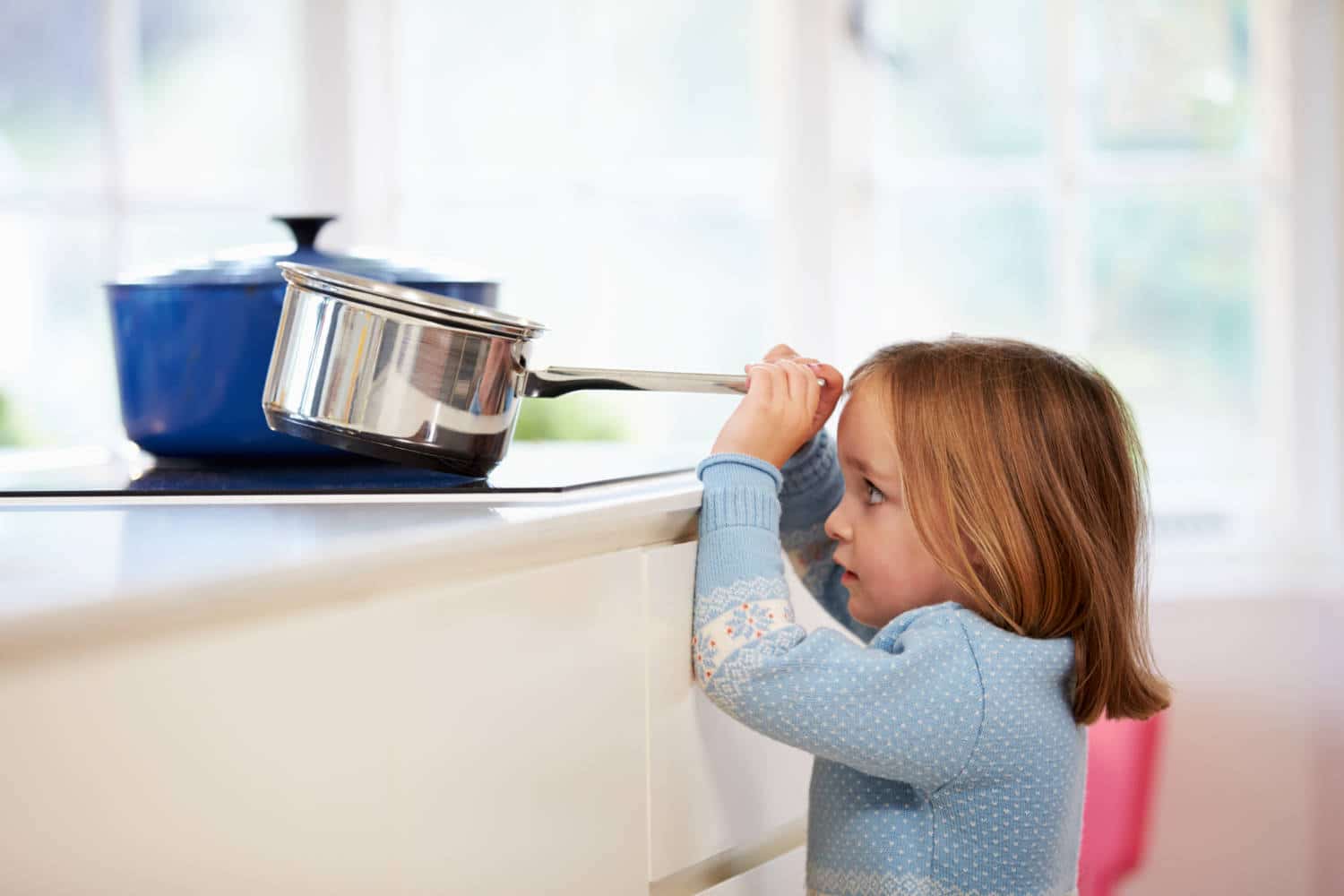
- 500,000 children need to go to casualty annually after accidents in the home
- 125,000 children are killed or injured in garden accidents.
- 20,000 children end up in casualty departments with burns
Older people and accidents
There are similar statistics for the elderly too; records from (RoSPA) show more than 4,500 people in England over the age of 65 dying from a fall in 2015 However, this is likely to be the tip of the iceberg as falls can cause significant decline in health; although not necessarily the cause of death, they contribute to many more deaths than this figure implies.
For older people, the majority of injuries happen in the home. The stairs are frequently where falls occur. in addition, common hazards are trips on loose carpets, uneven surfaces, trailing flexes and ill-fitting footwear or shoes that have lost their grip. Unintentional poisoning also occurs: this can be by muddling medicines, eating food long past the best before date or taking too much medication.

First Aid for Carers
First Aid for Life specialise in providing exemplary first aid training; this complies with the mandatory first aid training requirements for Home Carers, Foster Carers and Care Homes. Our First Aid courses cover all the necessary aspects of the Care Act and will equip all Carers with the skills and confidence to help the specific age groups they are responsible for, in a medical emergency. They also offer bespoke courses for those working in particular settings, with specific sets of needs. The courses are designed to teach all you need to know in order to help someone experiencing a medical emergency.
If you are trusting the safety and wellbeing of your child or parent to someone else, please make sure that they have had thorough training and have the skills and knowledge to confidently help in an emergency. First Aid for Life training is different from other providers: our trainers are highly experienced medical professionals, courses are held in small groups and we only award our certificates once we have ensured that each individual has fully understood everything and would be competent and confident in an emergency situation.
Speaking about the practical first aid training he received, one carer commented:
“The team at First Aid for Life tailored the course to meet our specific needs of dealing with the complexities of caring for an elderly woman with Parkinsons. They came to our home to perform the training so that we didn’t need to worry about using an agency to care for nanna. Would recommend this service to anyone”
We care every bit as much as you do about the well-being of your loved one.
First Aid for Life provides this information for guidance only; it is not in any way a substitute for medical advice. First Aid for Life is not responsible or liable for any diagnosis made, or actions taken based on this information. We strongly advise that you attend a First Aid course to understand what to do in a medical emergency.


0 Comments