
First Aid Blog
First Aid, Advice News & Updates
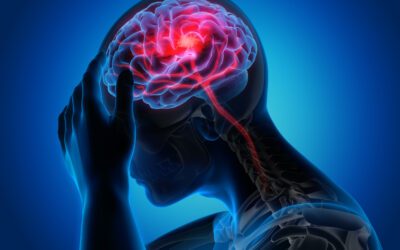
Strokes, how to spot them and what to do
A stroke occurs when blood flow in the brain is interrupted by a blockage or bleed in one of the blood vessels. This can cause damage to brain cells or cause them to die. Blockages to the brain are a lot more common than bleeds. Both have the same symptoms. Strokes...
Mpox updated information
There is currently a multinational outbreak of Mpox, cases have been confirmed in the UK. What is Mpox? Mpox is a rare zoonosis – a disease transmitted to humans from animals. It is caused by the Mpox virus and is part of the smallpox and chickenpox family. When was...

What to do if a Child is Poisoned
A poison is any substance which can cause damage if it enters the body in sufficient quantities. A poison can be swallowed, breathed in, absorbed through the skin or injected. Poisons can cause seizures, blurred vision, and/or major allergic reactions. They can also...

9 Signs that you Should Urgently Call an Ambulance
Understanding when to phone an ambulance, take someone to A&E, or to their GP is a critical decision. Particularly when the NHS is in overwhelm! Ambulances may struggle to get to you as the A&E departments are gridlocked and ambulances are therefore queuing...
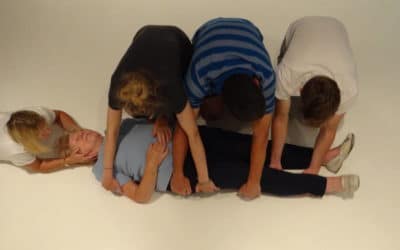
Spinal Injury – Know the Signs and What to do to Help
The National Institute for Clinical Excellence (NICE) states that approximately 700 people sustain a new spinal cord injury (SCI) each year in the UK. Currently there are no ‘cures’ for spinal cord injury and in the UK there are 40,000 people living with long term...

Your Marathon Survival Guide – top tips to help you get the most out of your Marathon Day
Your Marathon Survival Guide – top tips to help you get the most out of your Marathon Day Marathon day is almost here. You will have trained for months, dedicating hundreds of hours to pounding the pavements in preparation for the colossal feat of running the 26.2...

How to Treat a Fever – Top Tips
It is extremely common for someone who is ill to develop a fever. What is a fever? A part of the brain known as the hypothalamus controls body temperature. This usually varies very slightly throughout the day from the normal temperature of 37C (anything...
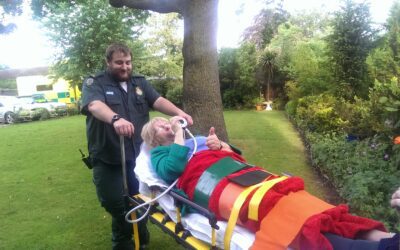
How to Help Whilst Waiting for an Ambulance
If you are first on the scene and find someone who has collapsed or had an accident, what you do in those first minutes is critical. Ambulances aim to get to a life-threatening emergency within eight minutes. However, in the current climate, this is just not happening...

Keeping You Safe and Out of Hospital this Christmas
The one place you don't want to end up at Christmas, is the Accident and Emergency Department! Christmas is a peak time for increased stress and accidents, for both humans and pets. According to RoSPA more than 80,000 people go to A&E each year for...

How to Have a Pet-Friendly Christmas
While Christmas is an exciting time of year for the family, it can be both stressful and potentially dangerous for your pet. Follow our top tips to make sure you can have a pet friendly Christmas. Safety around Christmas decorations Candles...
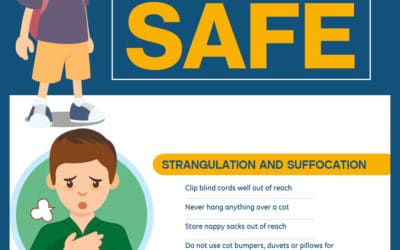
Preventing Strangulation and Suffocation for Babies
Suffocation and strangulation (along with choking and drowning) account for the majority of accidents resulting in fatalities in the under 5s. For strangulation, the most common causes are blind cords, drawstring bags, necklaces, cot bumpers and clothing becoming...
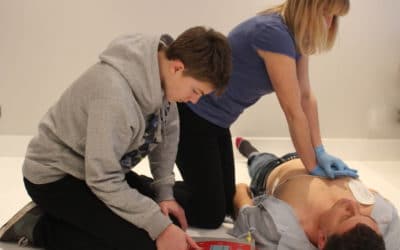
10 Common Myths About Defibrillators and Why They Save Lives
Defibrillators dramatically improve a casualty’s chance of survival and are now widely available for the general public to use. However, we need far more in the community and work places to be able to have the major improvements on survival from cardiac arrest that is...

First Aid Following a Stabbing – What to do in an Emergency?
In the last year there have been over 50,000 recorded offences involving knives and sharp instruments in the UK. These statistics are shocking and sadly provide a compelling reason to learn first aid. Knife crime is on the rise, with more fatalities and injuries among...
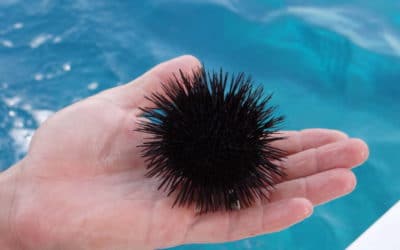
How to Remove Sea Urchin Spines and Treat Jellyfish Stings
Sea urchins and jellyfish don’t look dangerous, but both can deliver painful stings if you accidentally tread on them. Sea urchin spines can snap and become embedded in your skin, while jellyfish tentacles can cause burning and irritation. Knowing what to do straight...
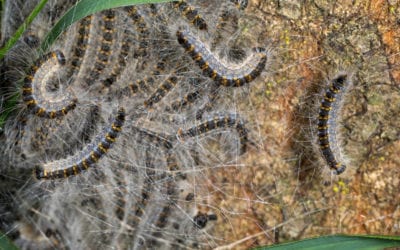
The life threatening dangers of Oak Processionary Moths
People living in London and the South East are being warned to look out for toxic Oak Processionary Moth (OPM) caterpillars. These caterpillars can cause eye irritation, skin rashes and vomiting, as well as possibly triggering extreme, and possibly fatal, asthma...
Find the best first aid course for you
Need help choosing the right course?
Tell us what you need and our AI will match you with the perfect course fast. Explore your options and start learning with confidence.